
Follow Me On Social Media!
Brioche Bread: Irresistibly Soft and Easy to Make at Home

Introduction to Brioche Bread
Imagine walking into a quaint bakery, the warm, buttery aroma of brioche bread enveloping you like a cozy blanket. This delightful treat, with its rich egg and butter content, has a texture that is both fluffy and tender, making it the perfect canvas for a multitude of culinary creations. Whether you slather it with jam for breakfast or use it for a sophisticated French toast, brioche opens the door to endless possibilities in the kitchen.
What is brioche, and why should you make it?
At its core, brioche bread is a type of French pastry that incorporates a generous amount of butter and eggs, resulting in its characteristic rich flavor and soft, pillowy texture. But what makes this bread truly special is its versatility. Want to elevate your brunch game? Brioche makes for an exquisite French toast. Looking to create a stunning bun for your gourmet burgers? Its slightly sweet taste adds an unexpected but delightful twist. Each bite is an invitation to indulge, making it a beloved choice among home bakers and chefs alike.
The process of making brioche bread might seem daunting at first, but it’s surprisingly approachable. With a little patience and the right ingredients, you can whip up a batch that rivals any bakery’s offering. The key? Quality ingredients and gentle handling. Allow yourself the time to knead the dough thoroughly; this helps develop that essential gluten structure which contributes to the brioche’s airy texture.
Moreover, there’s something truly rewarding about making bread from scratch. It connects you to the traditions of countless bakers before you and fills your home with an intoxicating scent that store-bought alternatives simply can’t replicate. Plus, once you master the base recipe, you can customize it to your heart’s desire by adding flavors like chocolate or citrus zest.
So why not embark on a baking adventure today? With brioche bread, you’re not just creating a loaf; you’re crafting a piece of art that brings warmth and joy to your table. Welcome to the wonderful world of brioche!
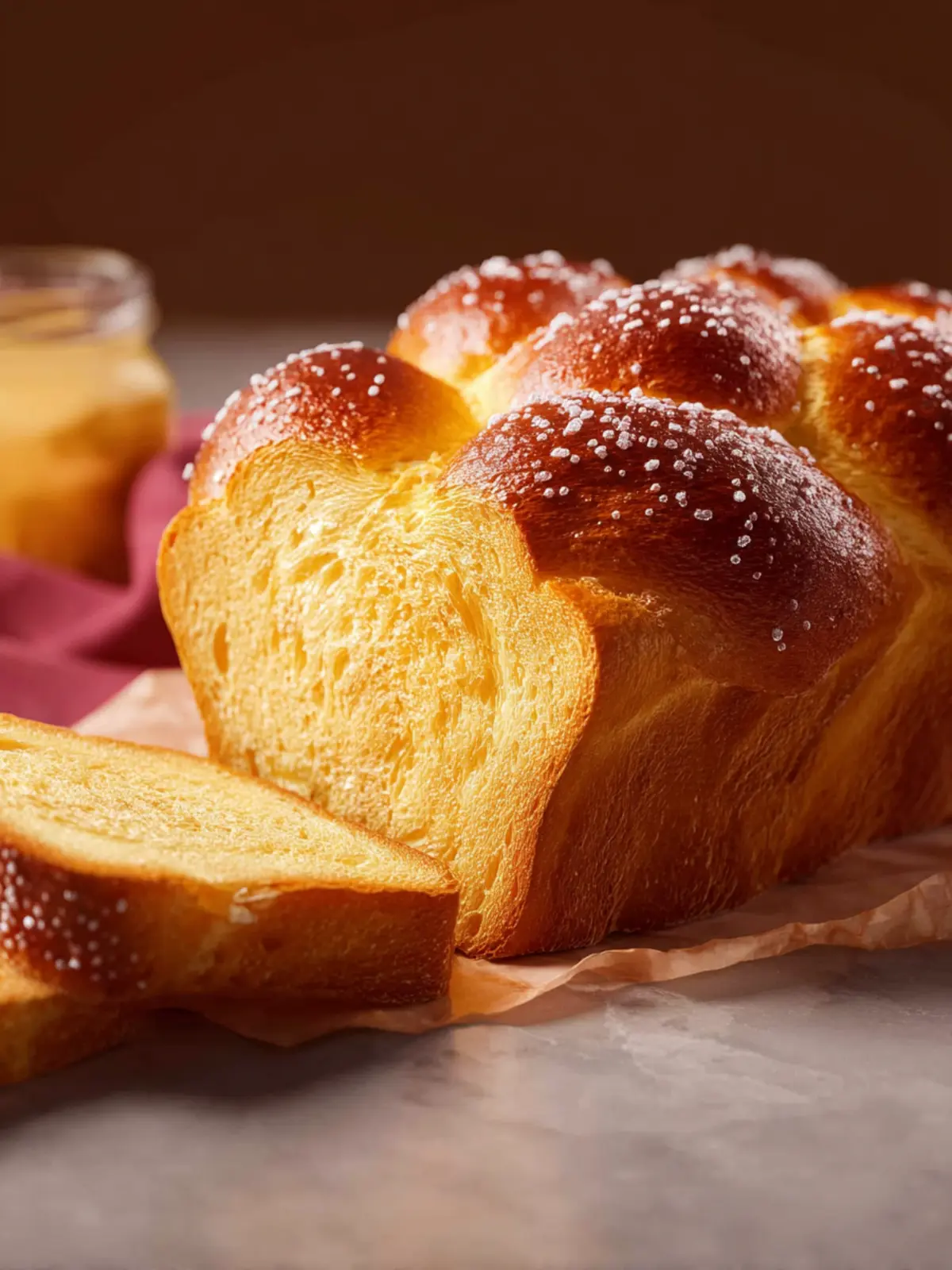
Key Ingredients for Brioche Bread
Baking brioche bread is truly an art form, and knowing the key ingredients is your first step to creating this classic French delight. Each component serves a specific purpose, transforming simple elements into rich, golden loaves.
-
Flour: I prefer using bread flour for my brioche, as it has a higher protein content that results in a beautifully structured crumb. You could also use all-purpose flour, but the texture may be slightly different.
-
Yeast: Fresh or active dry yeast works wonders, helping the dough rise to fluffy perfection. Be sure to let the yeast bloom in warm milk for a few minutes before mixing it into the dough.
-
Butter: The star of the show! Use unsalted butter for a rich flavor; it’s incorporated into the dough when soft, providing that signature tenderness and a slightly flaky texture.
-
Eggs: I use large eggs, typically about four, to enrich the dough. They impart moisture and contribute to that golden color we all adore in brioche.
-
Sugar: Granulated sugar adds just the right amount of sweetness, balancing the richness of the butter and eggs.
-
Salt: A pinch of salt enhances flavor and controls the fermentation process, ensuring a well-balanced dough.
Embrace these ingredients as the building blocks of your brioche bread, and you’ll soon be enjoying warm slices topped with butter, jam, or simply on their own!
Why You’ll Love This Brioche Bread
Baking brioche bread is like wrapping your kitchen in a cozy blanket of warmth and delightful aromas. Imagine biting into a soft, buttery slice that melts in your mouth—a treat perfect for any occasion.
Unique flavor and texture
What sets this brioche bread apart is its rich, decadent flavor. With a hint of sweetness and a buttery texture, each slice offers the perfect balance of indulgence and comfort. The unique combination of high-quality butter, eggs, and milk gives it a light, airy crumb that’s unlike any other bread. This delightful texture is achieved through the kneading process, which develops the gluten so that it rises beautifully in the oven.
Makes a perfect brunch option
Is there anything better than serving fresh brioche bread at brunch? Whether slathered with jam or transformed into French toast, it’s a crowd-pleaser every time. Pair it with fresh fruit, a light salad, or savory dishes like eggs benedict, and you’ve got a feast that will impress your guests—or just elevate your Sunday morning routine.
Versatile for various meals
The gorgeous versatility of brioche bread makes it an essential addition to any kitchen. Beyond brunch, transform it into elegant sandwiches or use it as the base for a loaded burger. You can even get creative with sweet treats like bread pudding or simply enjoy it toasted with a pat of butter for a quick snack. Its adaptability means that it’s a staple you’ll always want on hand!
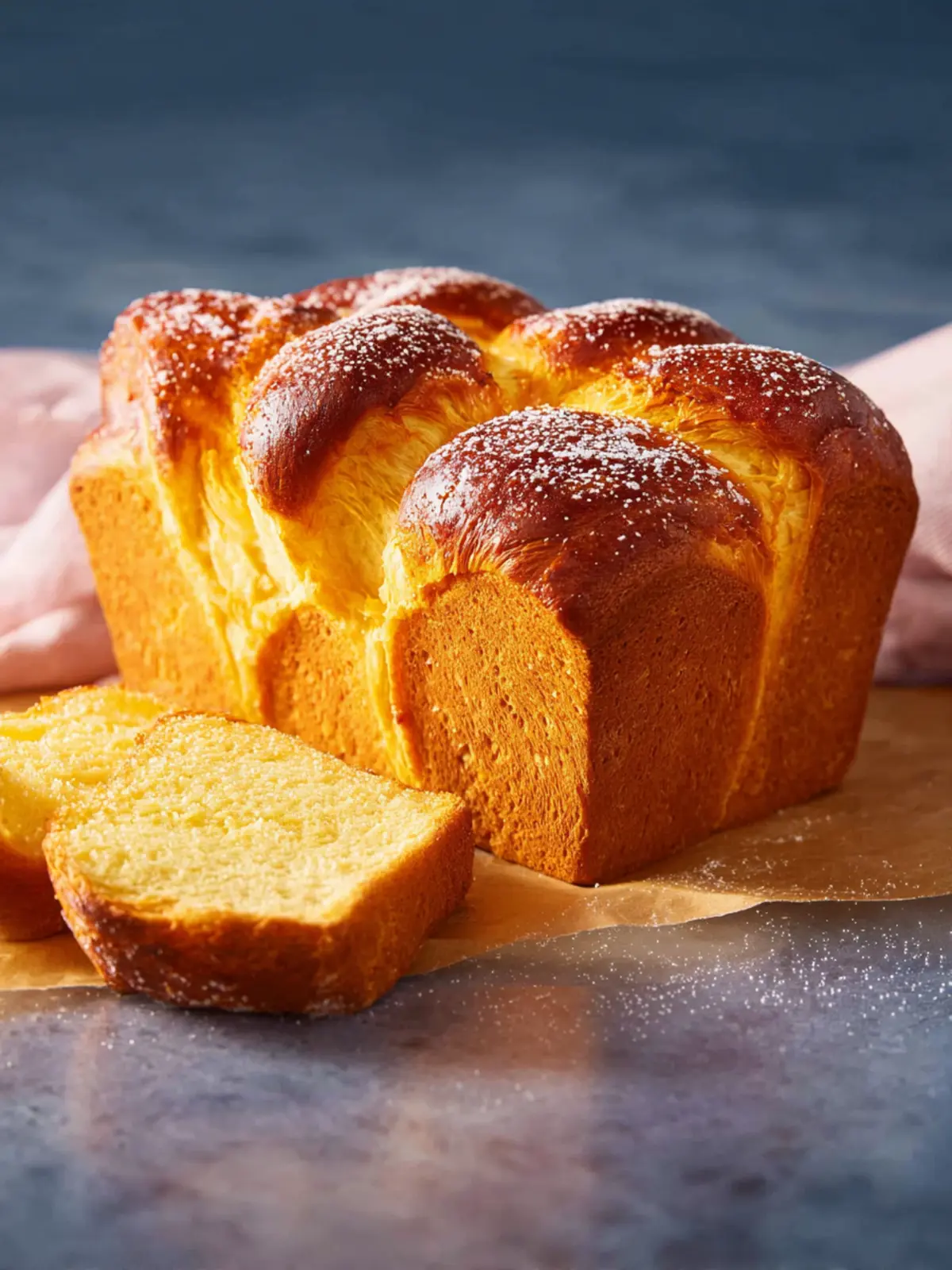
Tips for Making Perfect Brioche Bread
Baking brioche bread is an adventure worth taking, and with a few helpful tips, you can elevate your own culinary experience. As someone who has made countless loaves, I can promise that the details in the process can make all the difference.
Temperature Matters
When it comes to brioche bread, temperature is crucial for success. Start by ensuring your ingredients are at room temperature; this includes eggs and butter. If your milk is too cold, it can slow down yeast activity. To create a warm environment for rising, consider slightly warming your oven (just a few degrees) before placing your dough inside covered with a towel.
Kneading Techniques
Kneading is vital for developing the gluten in your dough. Start by mixing your ingredients until they just come together, then transition to using the “stretch and fold” method. This technique not only strengthens the dough but also helps incorporate air without overworking it. Don’t be afraid to use a stand mixer; it can save you time and energy while yielding excellent results.
Tricky Rising Tips
Achieving that perfect rise is sometimes a daunting task. If your dough isn’t coming to life, remember that humidity can play a role. Use a lightly greased bowl to prevent sticking while letting it rise. If you want to ensure consistent warmth, consider placing a bowl of hot water in the oven alongside your dough. This will create a steamy environment ideal for rising.
With these tips in hand, your brioche bread will be light, fluffy, and utterly delicious! Happy baking!
Time Details for Brioche Bread
When crafting your brioche bread, understanding the timing is essential for achieving that perfect, fluffy texture we all adore. Here’s a breakdown of the time commitment involved in this delightful baking project:
Preparation Time
Start with about 20 minutes to gather your ingredients and mix everything together. This initial effort sets the foundation for your brioche bread.
Rising Time
Your dough needs some love, so allow it to rise for approximately 1 to 2 hours. This is key for developing the airy structure we cherish in brioche.
Baking Time
Once your dough has risen, it requires about 30 to 35 minutes in the oven to transform into a beautifully golden loaf.
Total Time
All in all, prepare to spend around 2 to 3 hours from start to finish. It’s a delightful way to spend an afternoon with rewarding results!
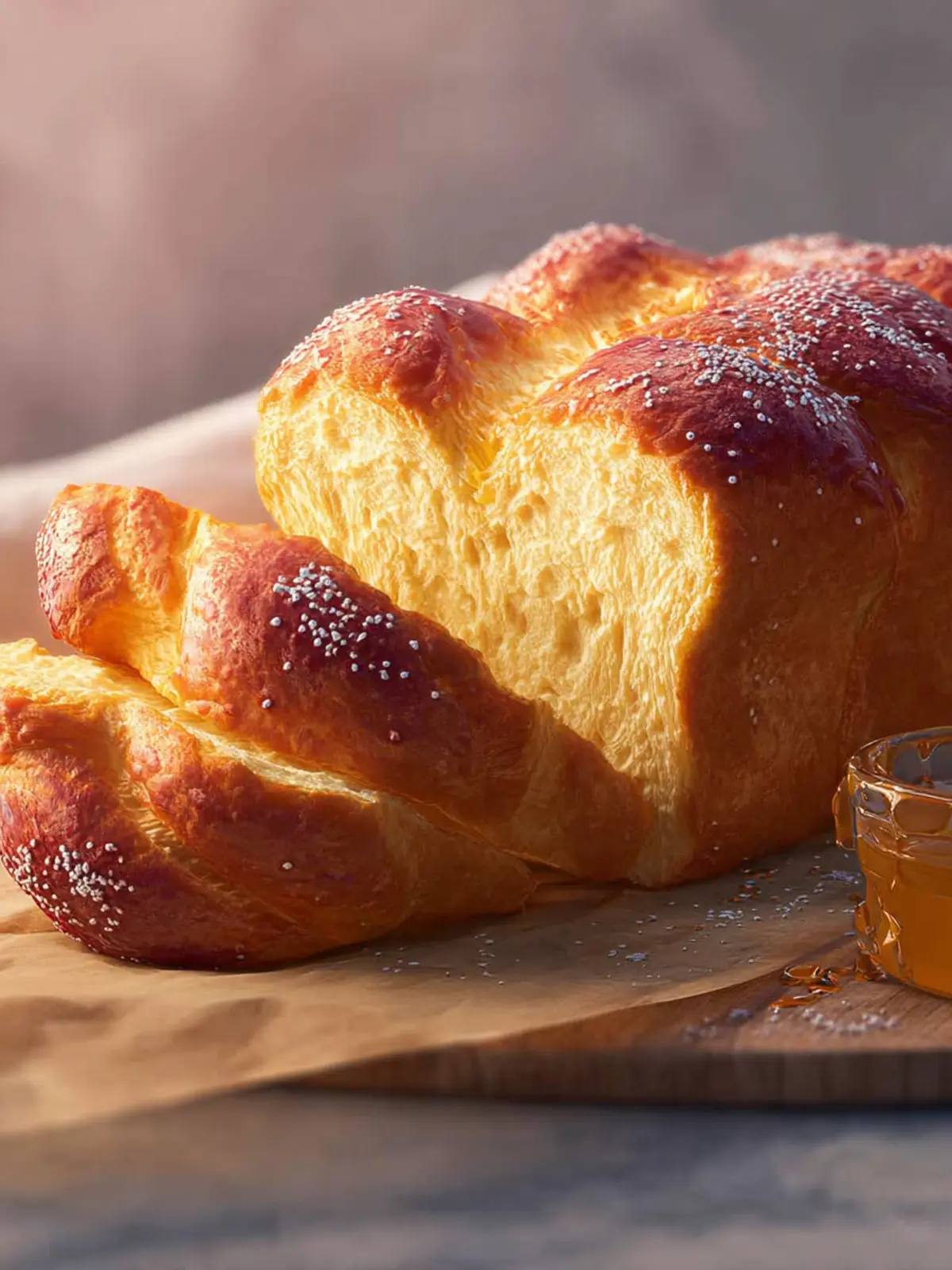
Nutritional Information for Brioche Bread
When crafting the delightful Brioche Bread, understanding its nutritional profile can help you appreciate its rich flavors even more. This golden bread, with its sweetness and buttery texture, can bring joy to your breakfast or dessert table.
Calories per slice
Each slice of brioche bread contains approximately 130 calories, making it a delicious yet indulgent option for any meal.
Total fat content
With about 7 grams of total fat per slice, including heart-healthy fats from butter, this bread contributes to its rich, fluffy texture without being overly heavy.
Carbohydrates
One slice packs around 15 grams of carbohydrates, providing a quick energy boost to kickstart your day or fuel your afternoon.
By keeping these nutritional aspects in mind, you can enjoy your brioche bread with a better understanding of its impact on your diet, ensuring that every slice is both delightful and satisfying.
FAQs about Brioche Bread
Baking brioche bread is a delightful journey that rewards you with rich flavors and a soft, buttery texture. As you immerse yourself in this baking experience, it’s natural to have some questions. Here’s a handy guide to help you navigate common concerns about this delicious treat.
How do I know when my brioche is done baking?
Determining the doneness of brioche bread can be tricky, but the key is to look for visual and tactile cues. Ideally, it should be golden brown on top, and when gently tapped, it should sound hollow. For a more precise method, using a kitchen thermometer is a great idea. An internal temperature of about 190°F indicates that your brioche is perfectly baked. If you’re in doubt, it’s better to check a little earlier than later to avoid overcooking.
Can I substitute ingredients like butter or sugar?
While traditional brioche relies heavily on butter for its distinctive flavor and texture, you can experiment with substitutes if necessary. For example, you might try:
- Butter: Coconut oil or vegan margarine can serve as alternatives, but they may alter the flavor slightly.
- Sugar: You can replace granulated sugar with a natural sweetener like honey or maple syrup, but adjust the liquid content of your recipe accordingly.
Keep in mind that these substitutions might slightly change the final taste and texture of your brioche.
How do I store leftover brioche bread?
Storing leftover brioche bread is quite simple. To keep it fresh, wrap it in plastic wrap or store it in an airtight container at room temperature for up to two days. For longer storage, consider freezing it. Simply slice the bread, place pieces in a freezer-safe bag, and store it in the freezer for up to three months. When ready to enjoy, thaw it at room temperature or lightly toast the slices for a warm, indulgent experience again!
Conclusion on Brioche Bread
Baking brioche bread is a delightful culinary adventure that transforms simple ingredients into a rich, fluffy loaf loved by many. As you enjoy the sweet aroma wafting from your oven, remember that patience is essential; letting the dough rise patiently will reward you with that light texture and buttery taste. Whether you’re preparing it for breakfast, brunch, or a special occasion, this versatile bread can elevate any meal. So grab those ingredients, channel your inner baker, and experience the joy of crafting your homemade brioche bread. It’s an experience worth savoring and sharing with friends and family.
Print
Braided Bread
- Total Time: 1 hour 45 minutes
- Yield: 1 loaf 1x
- Diet: Vegetarian
Description
This braided bread is soft, fluffy, and has a golden crust. Perfect for serving warm or at room temperature, it makes a delightful addition to any meal.
Ingredients
Scale
- 3 cups all-purpose flour (divided)
- ½ cup warm milk (110-120°F)
- 3 tablespoons granulated sugar (divided)
- 1 packet active dry yeast (2¼ teaspoons)
- 4 large eggs (divided)
- 1¼ teaspoons salt
- 10 tablespoons unsalted butter (softened and cubed)
- 1 tablespoon water
Instructions
- To make the sponge, in the bowl of a stand mixer, whisk together ½ cup flour, the milk, 1 tablespoon sugar, and the yeast until combined. Loosely cover, and let stand at room temperature, until foamy, 30 to 45 minutes.
- Once the sponge is ready, add 3 eggs, the salt, remaining 2½ cups flour, and remaining 2 tablespoons sugar. With dough hook attachment, beat on medium-low speed until well combined, about 1 minute scraping down the bowl as needed. Continue mixing until the dough is shiny and elastic, about 8 minutes.
- With the mixer on low speed, gradually add in the butter 1 tablespoon at a time, waiting until it is fully incorporated before adding the next tablespoon.
- Once all of the butter is incorporated, increase the speed to medium-low and continue kneading until the dough is smooth and elastic, about 8 minutes more. Scrape the dough down into the bowl. Cover, and let rise in a warm place until doubled in size, about 45 minutes.
- Lightly grease a 8¼x4½-inch loaf pan with softened butter.
- Punch down the dough and turn out onto a lightly floured surface. Cut the dough into 3 equal pieces, and roll each piece into a 9-inch long rope. Braid the ropes together, pinching ends together to seal. Tuck the ends under and place in the buttered loaf pan. Loosely cover, and let rise in a warm place until doubled in size, about 40 to 60 minutes. (It should be puffed up above the top rim of the pan.)
- After the loaf has risen for 20 minutes, preheat the oven to 375°F.
- In a small bowl, whisk together the water and remaining 1 egg until smooth. Brush the top of the risen loaf with egg wash.
- Bake for 35 to 40 minutes or until deep golden brown, covering with aluminum foil after 25 minutes if the top is browning too quickly. Let the bread cool in the pan for 5 minutes, then remove the loaf, and continue cooling on a wire rack.
- Serve warm or at room temperature. Store cooled bread in an airtight container for up to 1 week, or slice and freeze in a freezer bag for up to 2 months.
Notes
- This bread can be flavored with herbs or cheese for variations.
- Make sure the milk is warm but not too hot, as it can kill the yeast.
- Prep Time: 15 minutes
- Cook Time: 40 minutes
- Category: Breads
- Method: Bake
- Cuisine: American
Nutrition
- Serving Size: 1 slice
- Calories: 200
- Sugar: 2g
- Sodium: 150mg
- Fat: 10g
- Saturated Fat: 6g
- Unsaturated Fat: 4g
- Trans Fat: 0g
- Carbohydrates: 24g
- Fiber: 1g
- Protein: 4g
- Cholesterol: 70mg