Follow Me On Social Media!
Aesthetic Recipes for Indulgent Home-Cooked Delights

Introduction to Aesthetic Recipes
In today’s world, where images flood our social media feeds, aesthetic recipes have emerged as a captivating trend that merges the art of cooking with the joy of visual storytelling. Imagine a brunch where not only the taste of your dish delights your palate but its presentation unfurls like a work of art, enticing your guests to capture the moment on their phones. That’s the magic of aesthetic recipes. They are not just about nourishment, but also about creating experiences that feed the soul and ignite creativity.
What makes aesthetic recipes stand out is their emphasis on visually striking presentation. With vibrant colors, thoughtful plating, and an eye for detail, these recipes invite you to engage not only with the flavors but with the aesthetics of your food. A simple bowl of oats transforms into an enchanting breakfast when topped with a rainbow of fresh fruits, a drizzle of honey, and a sprinkle of nuts. This trend encourages both amateur and professional cooks to showcase their culinary creations in ways that reflect their personal style and creativity.
Consumers today are not merely looking for great taste; they crave experiences that reflect their individuality. According to a study by the National Restaurant Association, nearly 67% of millennials are likely to share photos of their meals online. This desire for shareable moments has made aesthetic recipes a powerful tool for home cooks eager to impress family and friends.
These recipes also offer a welcoming way to explore new techniques in the kitchen, even if you’re not a culinary expert. Aesthetic assembly can be as simple as arranging your ingredients in a visually appealing manner or garnishing with fresh herbs. With a little creativity and mindfulness, anyone can create dishes that not only taste fantastic but look inviting on the table.
In essence, aesthetic recipes inspire individuals to rethink their approach to cooking. By focusing on both flavor and beauty, we’re encouraged to slow down, appreciate our food, and share it with the world. So, let’s dive into some delightful recipes that embrace this trend and make your culinary adventures even more enjoyable!

Key Ingredients for Aesthetic Recipes
Creating aesthetic recipes is all about blending flavors and working with visually appealing ingredients. Each element plays a crucial role in not only enhancing the taste but also in elevating the presentation of your dish. Here’s how to make the most of your ingredients.
-
Fresh Vegetables: Vibrant, seasonal vegetables like heirloom tomatoes and rainbow carrots not only taste great but also add color and freshness. Their natural hues can turn your dish into a work of art.
-
Herbs: Fresh herbs such as basil, mint, or dill provide a burst of flavor and aroma. They’re best added just before serving to maintain their brightness and enhance visual appeal.
-
High-Quality Oils: Using a rich olive oil or a nutty toasted sesame oil can greatly uplift your recipe. A simple drizzle over your finished dish can make it look gourmet.
-
Garnishes: Edible flowers, microgreens, or even a sprinkle of sesame seeds can make a striking difference. They not only elevate the aesthetics but add flavor nuances as well.
With these ingredients in mind, you’ll find that creating aesthetic recipes is both a fun and rewarding experience.
Why You’ll Love This Recipe
Aesthetic recipes bring a special kind of joy into the kitchen, transforming ordinary meals into extraordinary experiences. Imagine the delight in creating dishes that not only taste fantastic but also look like a piece of art on your plate. Every time I whip up this particular recipe, I’m reminded of the playful afternoons spent experimenting with colors and flavors, crafting a feast that feels both celebratory and comforting.
Here’s why this recipe stands out:
-
Visual Appeal: It’s a feast for the eyes! The vibrant colors and unique presentation make every meal feel like a special occasion. You’ll find that plating this dish becomes an art form in itself!
-
Creative Expression: Aesthetic cooking encourages you to tap into your creativity, pairing flavors you love with visually stunning elements. It’s an invitation to play and experiment in your own kitchen.
-
Impressive Yet Simple: The best aesthetic recipes don’t require professional chef skills. With straightforward ingredients and steps, you can impress guests or just treat yourself without a fuss.
-
Memorable Experiences: Cooking becomes more than just a task; it transforms into cherished memories gathered around the table. Your friends and family will thank you for sharing such a delightful dish.
So, get ready to unleash your inner artist and enjoy all the beautiful moments this recipe has to offer!
Variations on Aesthetic Recipes
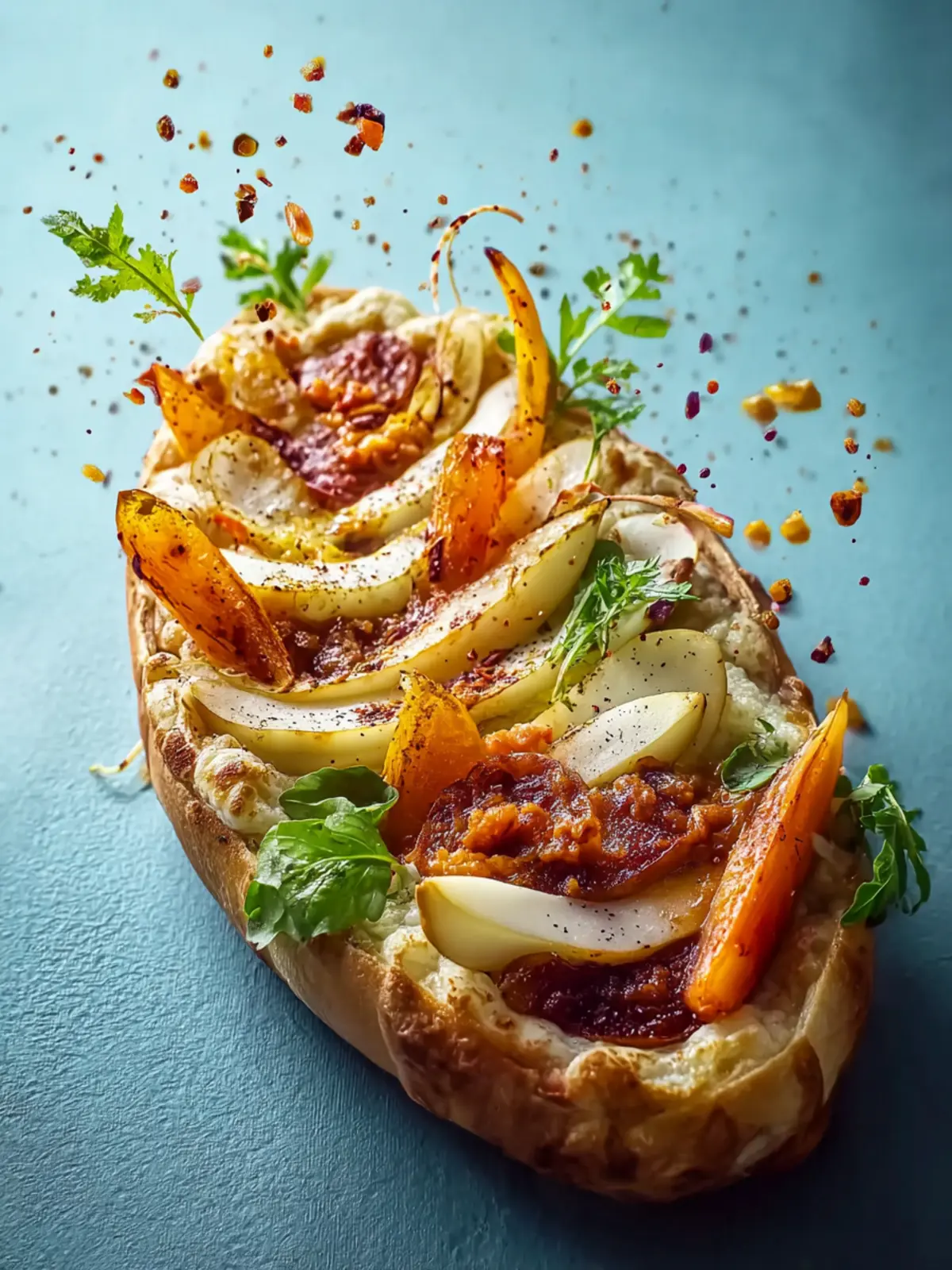
Exploring aesthetic recipes opens the door to endless possibilities that can make your culinary creations as impressive as they are delicious. Every dish is a canvas, and you can play with colors, textures, and flavors to create stunning meals that tantalize both the eyes and the taste buds.
Colorful Twists on Aesthetic Recipes
Consider incorporating colorful vegetables or garnishes to elevate the presentation of any dish. For instance, vibrant cherry tomatoes, earthy beets, or crisp snap peas can add not only flavor but also a visual punch. Mixing a variety of colors often leads to more nutritious meals, as different pigments usually indicate distinct health benefits!
Flavor Combinations
Don’t shy away from mixing unexpected flavors! Try adding a hint of spice, like chili flakes, to traditional recipes, or balance the sweetness of fruits with a touch of citrus. For example, if you’re making a dessert, a sprinkle of sea salt can enhance sweet flavors beautifully.
Textural Elements
Adding different textures can make a meal stand out. Consider toppings like crushed nuts, crispy herbs, or toasted seeds for an aesthetic touch that also provides a delightful crunch. Combining soft and crunchy elements makes for a more satisfying dining experience.
By experimenting with these variations, you can transform any recipe into a striking work of art that reflects your personal style and creativity. So, what will you create next?
Cooking Tips and Notes for Aesthetic Recipes
Creating aesthetic recipes isn’t just about the ingredients; it’s about the entire cooking experience. Think of it as painting a canvas—your ingredients are the colors that bring your dish to life. Here are some tips to elevate your aesthetic cooking:
Prioritize Presentation
- Color Matters: Use vibrant fruits and vegetables. Fresh herbs sprinkled on top can add both flavor and beauty.
- Balance Your Plate: Pay attention to the arrangement of your ingredients. Aim for a mix of shapes, colors, and textures that are visually appealing.
Select Quality Ingredients
- Fresh Over Processed: Choose seasonal and locally sourced ingredients whenever possible. They not only taste better but also look more vibrant.
- Mind Your Produce: Well-picked produce can transform a dish. For instance, ripe tomatoes or bright green asparagus will enhance your visual presentation.
Utilize Unique Serving Ware
- Invest in Aesthetic Bowls and Plates: Presentation is key! Use bowls and plates that contrast nicely with your food.
- Elevate with Layers: Consider stacking or layering elements in your serving dish to create depth and intrigue.
Time and Technique Matter
- Prep in Advance: Taking time to chop and arrange ingredients can make a significant difference. It’s like setting up the pieces before the performance.
- Don’t Rush: Allow your dish to shine. The more thoughtful you are with each element, the more your recipe will radiate beauty.
By embracing these cooking tips, you’re not just making aesthetic recipes, you’re crafting edible masterpieces that tell a story with every bite. Happy cooking!
Serving Suggestions for Aesthetic Recipes
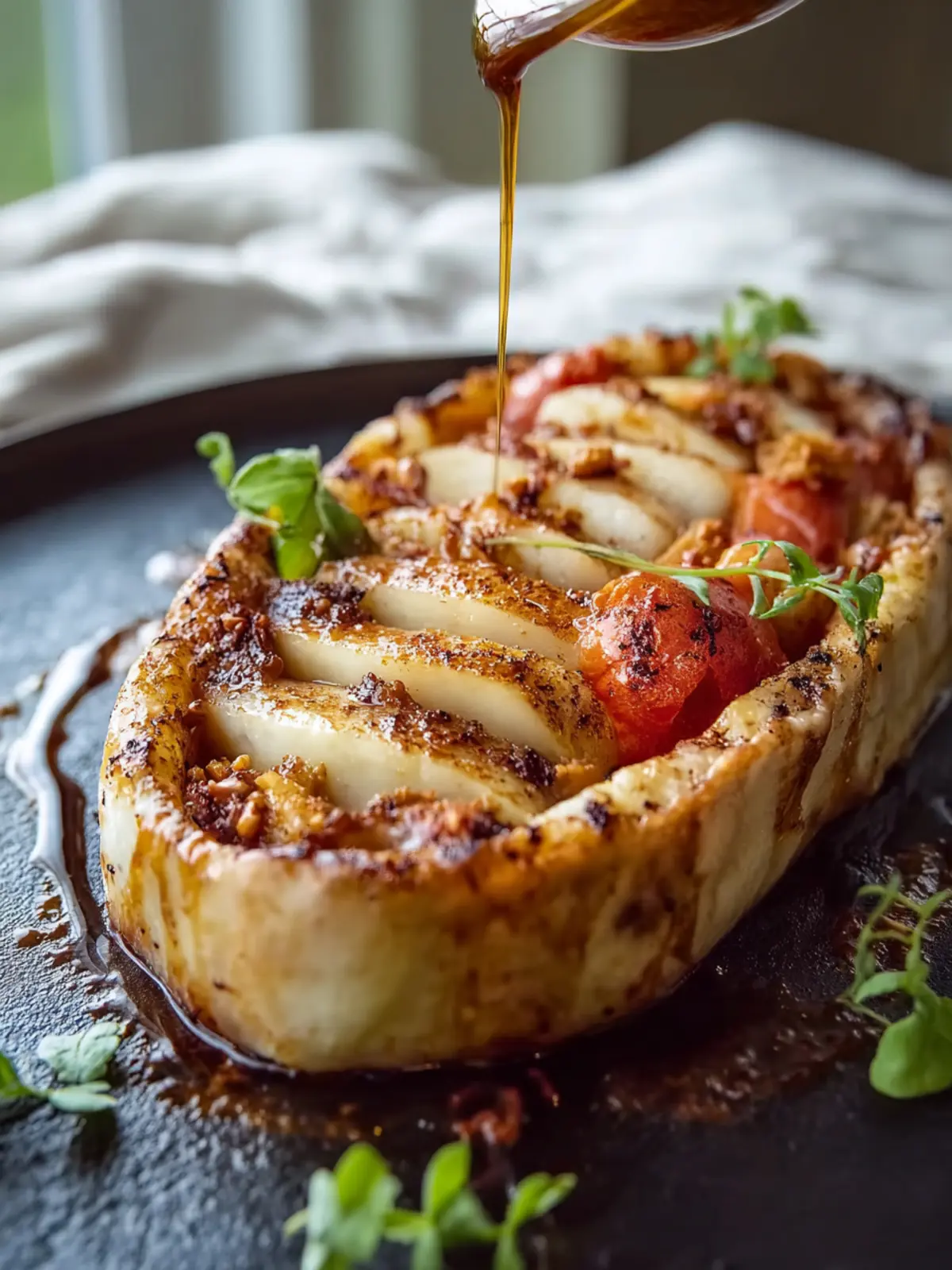
Creating aesthetic recipes is not only about achieving beautiful presentations but also elevating the dining experience. Picture this: you’ve just crafted a vibrant, eye-catching dish that turns heads and tempts taste buds. Now, how do you serve it in a way that amplifies its beauty and flavor?
-
Colorful Plates: Choose plates that complement the hues of your dish. For example, a fresh salad looks stunning on a deep blue plate, enhancing vibrant greens and tomatoes.
-
Garnishes that Shine: Fresh herbs, edible flowers, and a sprinkle of coarse salt can make all the difference. They add a pop of color and texture that can transform your dish.
-
Thoughtful Arrangements: Create layers in your presentation. Stack ingredients in a jar for a layered dessert or pile fruits high for a stunning breakfast display. Use different heights and textures to catch the eye.
-
Interactive Elements: Consider serving components separately. For example, a cheese board allows guests to create their own combinations, making it both a feast for the eyes and fun to eat.
By incorporating these serving suggestions, you ensure that your aesthetic recipes not only taste delightful but also dazzle visually, creating an unforgettable meal.
Time Breakdown for Aesthetic Recipes
Creating aesthetic recipes is more than just cooking; it’s an art form. To make your culinary creations shine, it’s essential to manage your time wisely. Here’s a handy breakdown to keep you on track.
Preparation time
Most recipes take about 15-20 minutes to gather ingredients, chop, and set up your cooking space. Taking the time to arrange a beautiful workspace not only boosts productivity but adds to the overall aesthetic of your kitchen.
Cooking time
The actual cooking usually takes about 30-40 minutes, depending on the complexity and the dish. Embrace the process; this is where the magic happens!
Total time
In all, you’ll spend around 45-60 minutes from start to finish. Perfecting your aesthetic recipes in a timely manner means you can enjoy your delicious, visually appealing creations sooner!
Nutritional Facts for Aesthetic Recipes
When you’re diving into the world of aesthetic recipes, it’s essential to know the nutritional content behind those gorgeous presentations. Understanding what you’re consuming can enhance both your culinary experience and your health.
Calories
- Depending on the ingredients and portion sizes, the calorie count in aesthetic recipes can vary widely. For an average serving, expect around 250-400 calories, allowing you to enjoy a delicious meal while keeping your daily intake in check.
Protein
- A well-balanced dish can provide 10-20 grams of protein. Incorporating elements like lean meats, legumes, or plant-based proteins ensures your meal is not only beautiful but also nourishing.
Fiber
- Many aesthetic recipes showcase fruits, vegetables, and whole grains, contributing about 5-10 grams of fiber per serving. Fiber is essential for digestion and can help keep you feeling full.
Sodium
- Keep an eye on sodium levels, which can range from 200-800 mg per serving. Opting for fresh ingredients and controlling added salt allows you to create flavorful dishes without compromising health.
By being mindful of these nutritional facts, you can enjoy your aesthetic recipes guilt-free, enhancing both your taste buds and well-being.
FAQ about Aesthetic Recipes
Creating aesthetic recipes isn’t just about how they look; it’s about the entire experience. These recipes blend flavor and presentation, making your meal a feast for the eyes and your taste buds.
What makes a recipe “aesthetic”?
An aesthetic recipe often features vibrant colors, thoughtful plating, and garnishes that elevate the dish. Think of dishes where vibrant greens dance with rich yellows and deep reds, creating a rainbow on your plate. This visual appeal can enhance your dining experience, turning a simple meal into a captivating moment.
Can I customize the vegetables in this recipe?
Absolutely! One of the joys of aesthetic recipes is their versatility. Feel free to mix and match vegetables according to your preferences or what you have on hand. Greens like spinach or kale can be delightful alternatives, and adding colorful bell peppers makes the dish pop even more!
Is this recipe suitable for meal prep?
Yes, many aesthetic recipes lend themselves well to meal prep. Just make sure to store the components separately to maintain freshness. For instance, store your protein and vegetables in airtight containers and add garnishes like herbs just before serving for the best presentation.
How do I ensure the quinoa is perfectly cooked?
Cooking quinoa to perfection is all about the ratio. Generally, use two parts water to one part quinoa. Bring it to a boil, then reduce to a simmer and cover. Fluff it gently with a fork once all the water has been absorbed, and you’ll have that light, fluffy texture that complements your aesthetic recipes beautifully.
Conclusion on Aesthetic Recipes
Creating aesthetic recipes is not just about the flavors; it’s about the story each dish tells. Whipping up a beautifully presented meal can transform an everyday dinner into a memorable occasion, filled with color and creativity. As you explore different cuisines and blend unique ingredients, remember that your plating can elevate even the simplest dish into something extraordinary.
So, whether you’re hosting friends or enjoying a solo night in, experiment with your aesthetic recipes. Let your imagination run wild! Who knows? You might just discover your signature dish that brings joy to your table and delights your guests. Happy cooking!
Print
Quinoa Salad
- Total Time: 25 minutes
- Yield: 4 servings 1x
- Diet: Vegetarian
Description
A refreshing quinoa salad packed with vegetables and a light dressing.
Ingredients
Scale
- 1 cup quinoa, rinsed
- 2 cups vegetable broth
- 1 cup cherry tomatoes, halved
- 1 cup cucumber, diced
- 1 bell pepper, diced
- 1 avocado, diced
- 3 tbsp olive oil
- 2 tbsp lemon juice
- 1 tsp salt
- 1/2 tsp black pepper
Instructions
- Rinse the quinoa under cold water, then combine it with vegetable broth in a saucepan. Bring to a boil, reduce the heat, and cover, allowing it to simmer for about 15 minutes until the quinoa is fluffy.
- Once the quinoa is cooked, transfer it to a large bowl and let it cool for a few minutes. Add the cherry tomatoes, cucumber, bell pepper, and avocado to the bowl.
- In a small bowl, whisk together the olive oil, lemon juice, salt, and black pepper until well combined.
- Pour the dressing over the quinoa and vegetables, then gently toss everything together until the ingredients are evenly coated.
Notes
- Feel free to add other vegetables or proteins to suit your taste.
- Serve chilled or at room temperature for best flavor.
- Prep Time: 10 minutes
- Cook Time: 15 minutes
- Category: Salads
- Method: Stovetop
- Cuisine: Mediterranean
Nutrition
- Serving Size: 1 cup
- Calories: 250
- Sugar: 2g
- Sodium: 350mg
- Fat: 15g
- Saturated Fat: 2g
- Unsaturated Fat: 12g
- Trans Fat: 0g
- Carbohydrates: 30g
- Fiber: 5g
- Protein: 6g
- Cholesterol: 0mg