
Follow Me On Social Media!
Balsamic Glazed Roasted Vegetables: Irresistible Flavor Awaits

Introduction to Balsamic Glazed Roasted Vegetables
Discovering balsamic glazed roasted vegetables was like finding a hidden gem in the bustling world of flavors. The first time I had them at a friend’s dinner party, I was completely enchanted by the way the rich, tangy balsamic reduction danced with the beautifully caramelized veggies. It was a revelation—not just a side dish, but a transformative experience that uplifted the entire meal. Since that day, they’ve become a staple in my kitchen, and I can’t wait for you to experience their irresistible allure.
Why roasted vegetables are a game-changer in home cooking
Roasted vegetables have earned their place in the hearts of home cooks for several compelling reasons:
-
Enhanced Flavors: Roasting veggies caramelizes their natural sugars, resulting in a rich, complex flavor that boiling or steaming simply can’t match. Ever tried a roasted carrot? The difference is night and day.
-
Versatility: The beauty of roasted vegetables lies in their adaptability. You can mix and match from a variety of ingredients like bell peppers, zucchini, and sweet potatoes, allowing you to create an entirely new dish every time. Plus, the balsamic glaze adds a tangy sweetness that pairs beautifully with nearly any vegetable.
-
Minimal Effort: If you’re juggling a busy schedule, this method is your friend. Just toss your veggies with some olive oil, salt, and pepper, spread them on a baking sheet, and let the oven do the work. You’ll have a nutritious side ready without much fuss.
-
Visual Appeal: Let’s face it; presentation matters. Roasted vegetables emerge from the oven with vibrant colors and a toasty finish that makes any plate pop. They look as delightful as they taste.
The next time you prepare a meal, consider incorporating balsamic glazed roasted vegetables. Not only do they simplify the cooking process, but they also introduce a depth of flavor that can elevate even the simplest of meals into something extraordinary. Trust me; your taste buds will thank you!

Key Ingredients for Balsamic Glazed Roasted Vegetables
Balsamic glazed roasted vegetables have a way of transforming your dining experience into a flavorful delight. Each bite takes you on a journey of sweet and tangy sensations that dance on your palate, making any meal memorable. Here’s a closer look at the key ingredients that will elevate your roasting game.
-
Fresh Vegetables: The star of the show! Use a mix of your favorites like bell peppers, zucchini, and carrots. Fresh vegetables boast vibrant colors and natural sweetness, which are key to achieving the best flavor profile.
-
Balsamic Vinegar: This is what gives our dish its signature tangy-sweet glaze. Opt for high-quality balsamic vinegar as it will enrich the flavor and enhance the overall taste of the vegetables.
-
Olive Oil: A drizzle of good olive oil helps in achieving that perfectly roasted exterior and retaining moisture within the veggies.
-
Honey or Maple Syrup: For a touch of sweetness, a small amount of honey or maple syrup balances the acidity of the balsamic vinegar beautifully, making every bite irresistible.
-
Herbs and Spices: Fresh herbs like rosemary or thyme elevate the dish with aromatic notes, while salt and pepper add the necessary seasoning to enhance the flavors.
With these simple yet essential components, you’re on your way to mastering balsamic glazed roasted vegetables that will leave everyone craving for more!
Why You’ll Love This Recipe
The magic of balsamic glazed roasted vegetables lies not just in their vibrant colors but in the irresistible flavor profile that elevates any meal. Picture this: fresh, seasonal veggies kissed by the sweetness of balsamic vinegar, roasted to perfection until they’re tender and caramelized. This recipe is more than a side dish; it’s a transformative experience that balances health and taste.
Flavor Explosion
The depth of flavor in these balsamic glazed roasted vegetables stems from the simple yet effective mix of ingredients. The balsamic vinegar adds a tangy sweetness that harmonizes seamlessly with the natural earthiness of the vegetables. It’s a symphony of taste that brings your palate to life.
Uncomplicated Preparation
You’ll appreciate the ease with which these vegetables come together. Minimal prep, a quick toss with olive oil, and a flash in the oven leave you with a dish that’s not just easy but chic enough for dinner parties. Who said healthy eating had to be complicated?
Perfect for Any Occasion
Whether you’re meal-prepping for the week, hosting friends, or simply enjoying a quiet dinner, this recipe seamlessly fits into any setting. You won’t just love making it; you’ll adore the compliments that follow! Get ready to turn your ordinary meals into extraordinary culinary experiences with these balsamic glazed roasted vegetables.
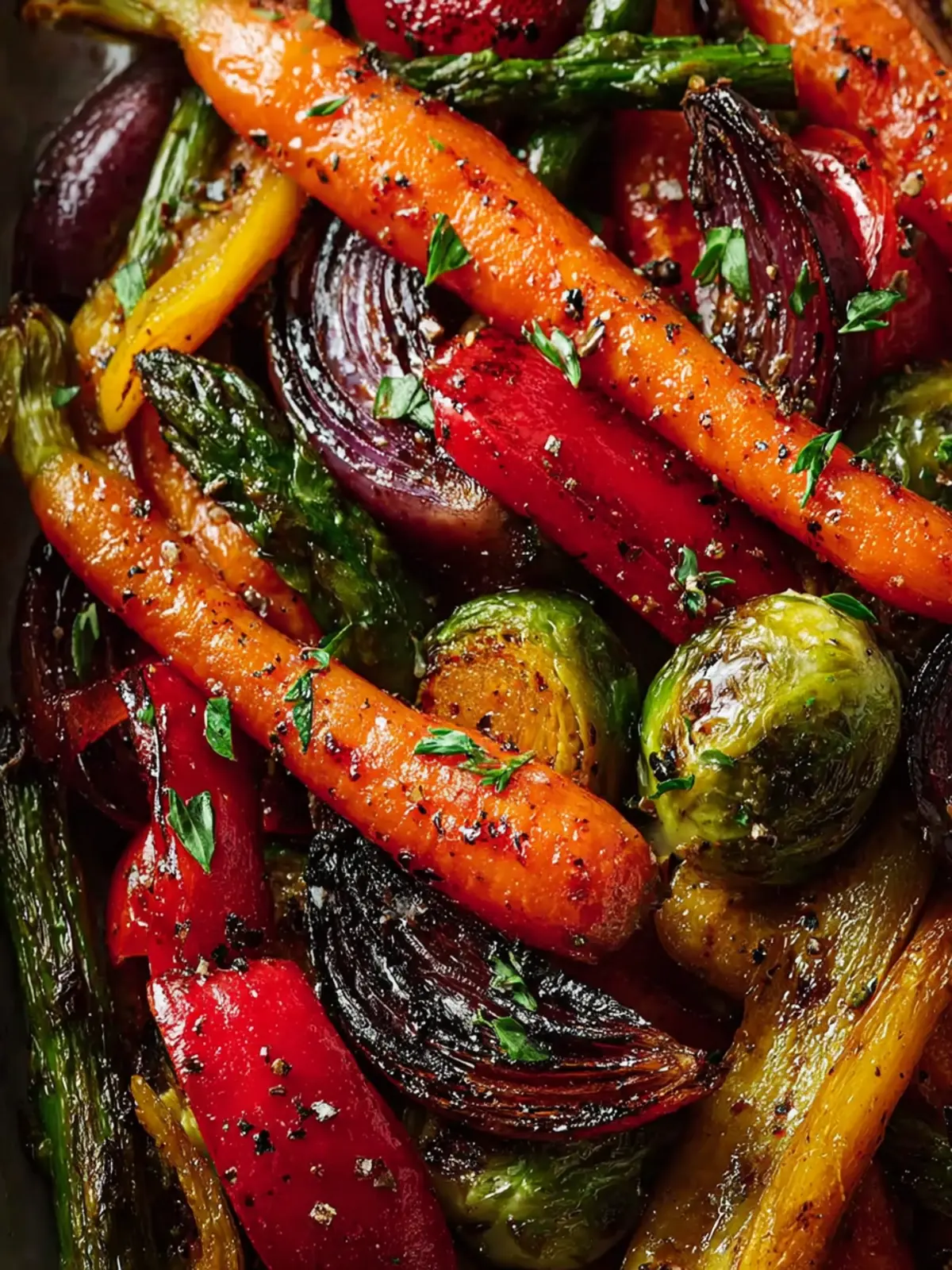
Variations on Balsamic Glazed Roasted Vegetables
Exploring balsamic glazed roasted vegetables opens up a world of vibrant flavors and delightful textures. As I ventured into the kitchen to experiment, I uncovered ways to elevate this classic dish beyond its original form. Here are some exciting variations you might want to try:
-
Root Vegetable Medley: Swap out the typical bell peppers and zucchini for hearty root vegetables like carrots, parsnips, and sweet potatoes. Their natural sweetness complements the tartness of the balsamic glaze beautifully.
-
Herb Infusion: Enhance your glaze by adding fresh herbs such as rosemary or thyme. These aromatic flavors can really transform the balsamic glazed roasted vegetables, elevating your dish from simple to sophisticated.
-
Mediterranean Twist: Incorporate olives and feta cheese right before serving. This adds a salty, briny flavor that pairs wonderfully with the rich balsamic reduction.
-
Fun Add-Ins: Consider tossing in some sliced mushrooms or cherry tomatoes for an unexpected burst of flavor. These elements will add another layer of texture and juiciness.
-
Grilled Variations: Take your balsamic glazed roasted vegetables outside! Toss them on the grill for a smokier flavor—you’ll find that the char adds a whole new dimension to this simple dish.
Each of these variations opens the door to creative culinary experiments while keeping that irresistible flavor at the forefront. What will you try first?
Cooking Tips and Notes for Balsamic Glazed Roasted Vegetables
Creating delectable balsamic glazed roasted vegetables can be a culinary adventure where your kitchen becomes a canvas for vibrant colors and rich flavors. Here are some friendly tips to elevate your dish and ensure every bite is irresistible.
Choosing Your Vegetables
- Mix It Up: Opt for various veggies like bell peppers, zucchini, carrots, and Brussels sprouts. Each type brings a unique texture and flavor profile.
- Seasonal Selection: Use seasonal vegetables for the freshest taste. For instance, in fall, try butternut squash or root vegetables; in summer, throw in some juicy tomatoes.
Perfecting the Glaze
- Quality Balsamic Vinegar: Choose a high-quality balsamic vinegar for the glaze. It should be rich and slightly sweet, enhancing the flavors of your vegetables.
- Balancing Sweetness: Add a touch of honey or brown sugar to the balsamic glaze if you like a sweeter profile. This caramelizes beautifully during roasting.
Roasting Techniques
- Cut Size Matters: Chop your vegetables into uniform sizes for even cooking. Smaller pieces will crisp up nicely, while larger chunks remain tender inside.
- Don’t Crowd The Pan: Give your vegetables space on the baking sheet. Overcrowding can lead to steaming instead of roasting, preventing that delightful caramelization.
Final Touches
- Herbs and Spices: Experiment with fresh herbs like thyme or rosemary added just before serving. They provide a fresh, aromatic finish to your balsamic glazed roasted vegetables.
By keeping these tips in mind, your dish will shine brightly on any table, turning a simple medley of vegetables into a culinary spectacle!
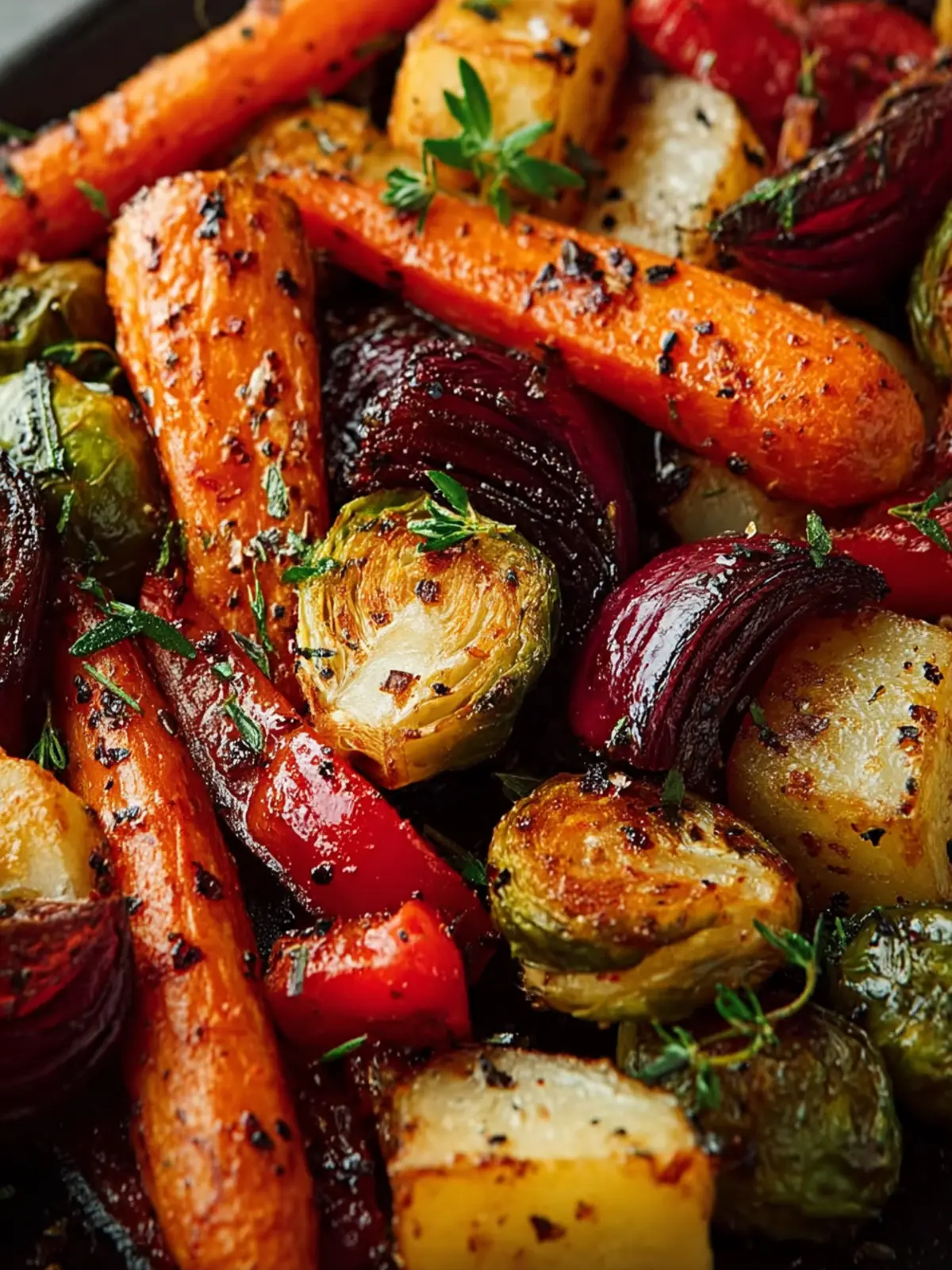
Serving Suggestions for Balsamic Glazed Roasted Vegetables
The joy of balsamic glazed roasted vegetables lies in their incredible versatility, transforming any meal into a feast for the senses. Pairing these vibrant veggies with a variety of dishes enhances not only the flavor but also the visual appeal of your table. Here are some winning combinations to elevate your next meal:
-
As a Side Dish: Serve these roasted beauties alongside grilled chicken or fish. The sweet and savory glaze complements proteins beautifully, creating a harmonious plate.
-
On Grain Bowls: Load up a bowl with quinoa or brown rice and pile on the balsamic glazed roasted vegetables. Add a scoop of hummus or a sprinkle of feta for extra richness.
-
In Salads: Toss them in your favorite salad for a warm twist. They can transform a basic green salad into a hearty dish that’s colorful and satisfying.
-
With Pasta: Mix the vegetables into whole grain or gluten-free pasta for a fresh, delicious entrée. Drizzle with some additional balsamic vinegar or olive oil for a burst of flavor.
Experimenting with these serving suggestions can lead to delightful new meals, making balsamic glazed roasted vegetables a staple in your kitchen repertoire.
Time Breakdown for Balsamic Glazed Roasted Vegetables
Creating delicious balsamic glazed roasted vegetables doesn’t have to take forever. Here’s how the timing breaks down seamlessly:
Preparation Time
Getting ready is a breeze! You’ll spend about 10 minutes washing, peeling, and chopping your favorite vegetables. This quick prep sets the stage for an explosion of flavors.
Cooking Time
Once your veggies are prepped, they only need about 25 to 30 minutes in the oven. Just enough time to sip a glass of wine or relax while they roast to perfection.
Total Time
In just 35 to 40 minutes, you’ll have a stunning side dish that packs a flavorful punch. Think of it as a perfect addition to your dinner table or a vibrant meal prep option for the week. Enjoy every bite!
Nutritional Facts for Balsamic Glazed Roasted Vegetables
Understanding the nutritional facts of your favorite recipes can guide you in making healthier choices while still enjoying delicious flavors. For the balsamic glazed roasted vegetables, these nutritional insights reflect the wholesome goodness packed into this vibrant dish.
Calories
A serving of balsamic glazed roasted vegetables typically contains around 150 calories. This makes it a guilt-free addition to your meals without sacrificing taste.
Total Carbohydrates
Each serving has approximately 30 grams of total carbohydrates. The blend of the veggies not only fills you up but also provides essential nutrients and fiber, enhancing your overall wellness.
Embrace the delightful experience of enjoying a delicious side that’s as nutritious as it is flavorful!
FAQs about Balsamic Glazed Roasted Vegetables
The irresistible taste of balsamic glazed roasted vegetables is not just a recipe; it’s a culinary experience that transforms simple ingredients into a flavor-packed dish everyone will love. If you’re curious about making the most of this dish or have questions about variations, you’ve come to the right place.
Can I use frozen vegetables for this recipe?
Absolutely! While fresh vegetables bring a delightful crunch and vibrant color, frozen vegetables can certainly do the trick in a pinch. Just remember to thaw and pat them dry before adding your balsamic glaze. This helps to avoid excess moisture, allowing for that perfectly roasted texture.
What other vegetables work well with this glaze?
The beauty of balsamic glazed roasted vegetables lies in its versatility. You can use a variety of vegetables, such as:
- Bell peppers: Their sweetness pairs beautifully with the tangy glaze.
- Brussels sprouts: Roasted until crispy, they become a flavorful delight.
- Carrots: Their natural sweetness complements the balsamic perfectly.
- Zucchini: Adds a tender texture and absorbs the glaze wonderfully.
Feel free to mix and match your favorites!
How can I store leftovers?
Storing your leftover balsamic glazed roasted vegetables is straightforward. Simply place them in an airtight container and refrigerate. They should stay fresh for about 3 to 5 days. To reheat, pop them in the oven or a skillet to retain their texture, or microwave if you’re short on time. Enjoy your delicious creations even after the main meal has passed!
Conclusion on Balsamic Glazed Roasted Vegetables
In wrapping up our culinary adventure with balsamic glazed roasted vegetables, it’s clear that this dish is not just a side; it’s a celebration of flavors. Roasting brings out the natural sweetness of the vegetables, and when paired with the tangy richness of balsamic glaze, every bite tells a delicious story. Whether served at a cozy dinner party or alongside a simple weeknight meal, these vibrant veggies are bound to impress. Share them with friends or savor them solo—either way, you’re treating yourself to an irresistible experience in every forkful. Enjoy!
Print
Roasted Brussels Sprouts and Vegetables
- Total Time: 40 minutes
- Yield: 4 servings 1x
- Diet: Vegetarian
Description
A delicious and healthy roasted vegetable dish featuring Brussels sprouts, carrots, bell peppers, and red onion.
Ingredients
Scale
- 2 cups Brussels sprouts, halved
- 2 cups carrots, sliced
- 2 cups bell peppers, chopped
- 1 cup red onion, sliced
- 1/4 cup balsamic vinegar
- 2 tablespoons olive oil
- 1 tablespoon honey or maple syrup
- to taste Salt and pepper
Instructions
- Preheat your oven to 425°F (220°C).
- In a large bowl, combine the Brussels sprouts, carrots, bell peppers, and red onion. Toss gently to mix.
- In a small bowl, whisk together the balsamic vinegar, olive oil, honey, salt, and pepper until smooth.
- Pour the balsamic mixture over the vegetables and toss to coat evenly.
- Spread the vegetables in a single layer on a baking sheet.
- Roast in the preheated oven for 25-30 minutes, stirring halfway through.
- Serve warm and enjoy!
Notes
- Feel free to add other vegetables such as zucchini or eggplant for variation.
- This dish pairs well with grilled chicken or fish.
- Prep Time: 10 minutes
- Cook Time: 30 minutes
- Category: Side Dish
- Method: Roasting
- Cuisine: American
Nutrition
- Serving Size: 1 cup
- Calories: 150
- Sugar: 5g
- Sodium: 150mg
- Fat: 8g
- Saturated Fat: 1g
- Unsaturated Fat: 6g
- Trans Fat: 0g
- Carbohydrates: 20g
- Fiber: 6g
- Protein: 3g
- Cholesterol: 0mg