
Follow Me On Social Media!
Homemade Pasta Dough: Easy Semolina Flour Magic at Home

Introduction to Homemade Pasta Dough with Semolina Flour
Crafting homemade pasta dough with semolina flour is an experience that transforms your kitchen into a warm, inviting Italian trattoria. The smell of flour and the feeling of dough beneath your hands takes you back to simpler times—a time when food was made with care and loved ones gathered around the table. That’s the magic of preparing your pasta; it not only nourishes the body but also the soul.
In a world where takeout often reigns supreme, creating your own pasta becomes a form of relaxation and meditation. Picture this: It’s a Saturday afternoon, and you’ve decided to forgo the microwave. Instead, you pull out a bag of semolina flour, a few eggs, and your rolling pin. Each step you take in making the dough feels intentional and rewarding, from mixing flour and eggs to kneading the dough until it’s silky smooth.
Why make your own pasta? The plethora of reasons might surprise you! First, you control the ingredients, allowing for endless creativity regarding flavors and shapes. You can experiment with vibrant vegetable purees or even spices to create colored pasta that will delight your guests. Additionally, nothing beats the fresh taste and texture of homemade pasta—so much better than the boxed version you grab at the supermarket.
With semolina flour, you’re not just working with any base; you’re using flour renowned for its elasticity and amazing bite—perfect for that al dente finish everyone craves. Semolina flour, derived from durum wheat, brings a nutty flavor that elevates your dishes. Whether you choose to shape it into delicate fettuccine or hearty pappardelle, each strand will hold the sauce beautifully, making every bite a celebration.
As you stand over your mixing bowl, consider this: the next time you roll out your homemade pasta dough, it could become a cherished tradition—one that connects you and your loved ones over a shared meal, further adding to the joyous art of cooking from scratch.
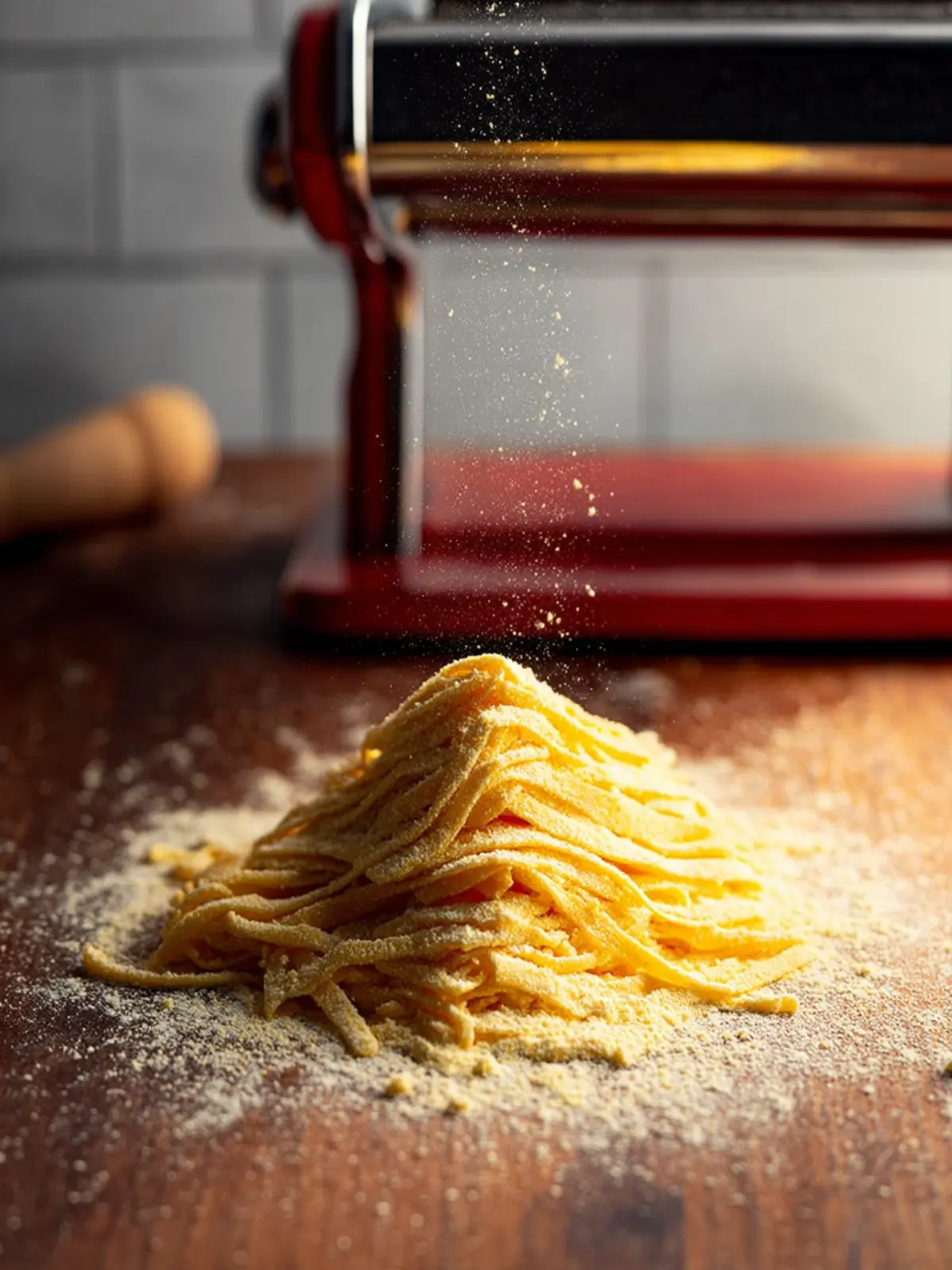
Key Ingredients for Homemade Pasta Dough with Semolina Flour
Creating homemade pasta dough is an art, and it all begins with the right ingredients. Each plays a vital role in crafting that perfect texture and flavor that elevates your pasta dishes.
-
Semolina Flour: This is the star of the show. Semolina flour, made from durum wheat, provides a unique texture that is both firm and slightly chewy. It’s grittier than all-purpose flour, resulting in pasta that holds sauces beautifully. If you want to take your dish to the next level, avoid substituting with regular flour.
-
Eggs: Fresh eggs are non-negotiable in this recipe. They add richness and moisture to the dough, helping to bind the ingredients together. The yolks give a lovely golden hue while also enhancing flavor.
-
Salt: A pinch of salt is essential for flavor. It enhances the richness of the eggs and brings out the nuttiness in the semolina.
-
Water: Depending on your dough’s consistency, you may need just a splash of water to achieve that perfect pliability. Make sure to add it gradually.
When you have these ingredients ready, you’re set for a delightful pasta-making experience. Embrace the process, and soon enough, you will savor the fruits of your labor.
Why You’ll Love This Recipe
Imagine the warm aroma of homemade pasta dough filling your kitchen, inviting friends and family to gather around the table. This recipe for homemade pasta dough with semolina flour is not just a cooking project; it’s a delightful experience that brings everyone together.
Celebrate Simplicity and Quality
Using just a few simple ingredients, this homemade pasta dough elevates your culinary game without overwhelming you. Semolina flour offers a unique texture and nutty flavor that transforms ordinary pasta into something extraordinary. You’ll find joy in each knead and roll, making the cooking process as pleasurable as the delicious meal you’ll eventually share.
A Taste of Tradition
Making your own pasta connects you to a time-honored tradition. There’s something special about crafting each piece of dough by hand, which makes cooking feel more like an art than a chore. Plus, handmade pasta can be customized to suit your preferences with various sauces, toppings, and fillings.
Freshness You Can Taste
There’s nothing quite like the taste of fresh pasta. The difference is palpable with every bite, and this nourishing dish will impress your guests and become a favorite family staple. With minimal prep time and maximum satisfaction, you’ll find yourself falling in love with homemade pasta dough all over again.
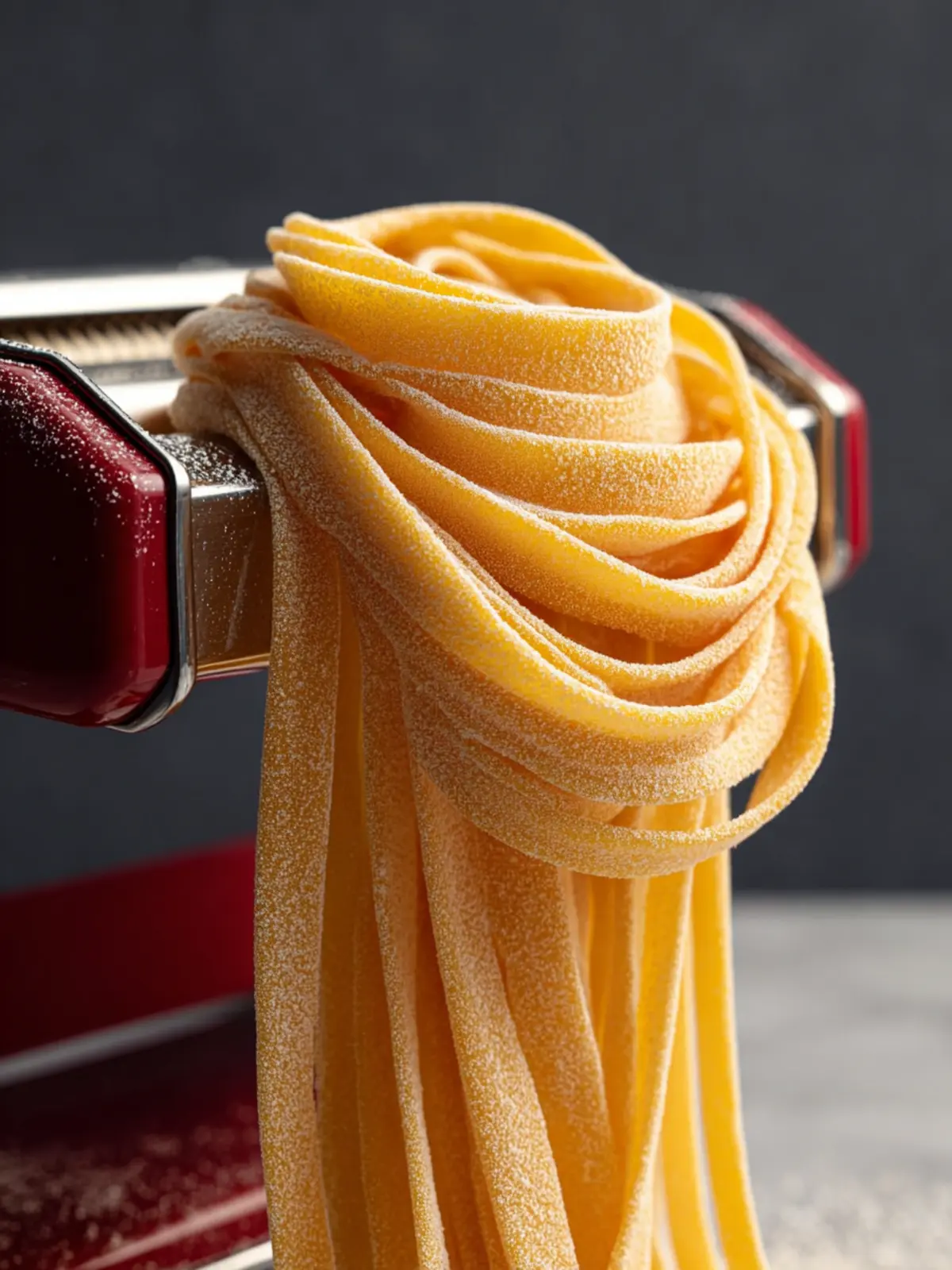
Variations on Homemade Pasta Dough
Experimenting with homemade pasta dough can open up a delicious world of creativity in your kitchen. While traditional recipes call for just flour, eggs, and a pinch of salt, there are several exciting variations to elevate your pasta-making game.
Use Different Flours
-
Whole Wheat Flour: For a nuttier flavor and added nutritional value, swap out half of your semolina flour with whole wheat flour. This will yield a heartier dough that’s perfect for rustic pasta shapes.
-
Gluten-Free Options: If you’re avoiding gluten, try using a blend of gluten-free flours, such as almond flour and tapioca starch. You’ll need to adjust the liquid content a bit, but the results can be just as satisfying.
Add Flavorings
-
Infused Oils: A splash of infused olive oil (like garlic or basil) mixed into your dough can impart wonderful flavors. Just be sure to balance the wet and dry ingredients to keep the right consistency.
-
Herbs and Spices: Incorporate dried herbs like oregano or thyme into your flour for a fragrant twist. This is particularly delightful for stuffed pastas or lasagna sheets.
Experiment with Color
- Vegetable Purees: Adding purees, such as spinach or beet, can transform your dough into a vivid centerpiece for any dish. Just remember to adjust the flour-to-liquid ratio accordingly.
With these variations on homemade pasta dough, you can create a pasta dish that not only satisfies but also dazzles your dinner guests. Get creative, and don’t be afraid to experiment!
Cooking Tips and Notes for Homemade Pasta Dough
Creating homemade pasta dough opens the door to an array of delicious culinary adventures. The joy of working with semolina flour isn’t just in the texture; it’s also in the ability to customize your pasta experience. Here are some tips to ensure your dough turns out perfectly every time.
Start with Quality Semolina Flour
Using high-quality semolina flour is key to achieving that delightful chewiness. Unlike regular flour, semolina provides a firm structure, making it ideal for pasta. Look for brands that are 100% semolina for the best results.
Kneading is Essential
Once you combine your flour with eggs and a pinch of salt, knead the dough for at least 10 minutes. This process develops gluten, giving your pasta that perfect bite. Remember, the dough should feel smooth and elastic when you’re done.
Resting Time Matters
Allow your homemade pasta dough to rest for at least 30 minutes, covered with a clean cloth or plastic wrap. This helps relax the gluten, making the dough easier to roll out and shape.
Use a Pasta Machine for Consistency
A pasta machine can be your best friend. It helps create uniform sheets for even cooking. If you don’t have one, a rolling pin works too; just be consistent with your thickness.
Don’t Forget to Flour
Lastly, dust your work surface and dough with flour while rolling and cutting. This prevents sticking and ensures your pasta maintains its shape. Enjoy the fruits of your labor; fresh pasta is truly a treat!
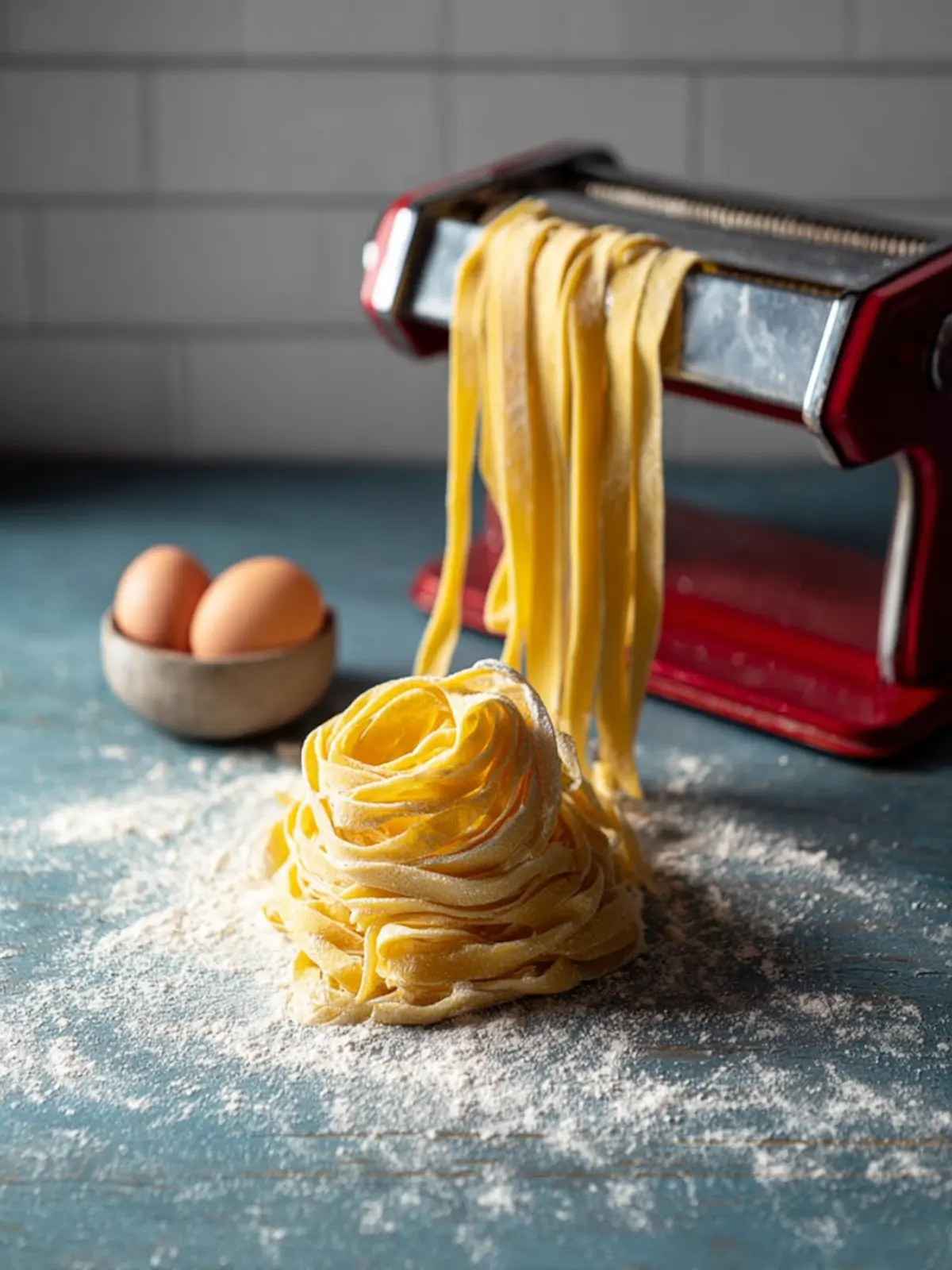
Serving Suggestions for Homemade Pasta Dishes
Homemade pasta dough is a canvas for endless culinary creativity. Once you’ve crafted that perfect batch of dough, let your imagination take charge! Here are some delightful serving ideas to elevate your pasta experience.
Classic Sauces
- Marinara: A vibrant marinara sauce, made with fresh tomatoes, garlic, and herbs, pairs beautifully with any shape of homemade pasta. The tomato’s acidity balances the richness of the pasta, creating a mouthwatering dish.
- Alfredo: For a creamier option, whip up an Alfredo sauce. The combination of butter, cream, and parmesan envelops the pasta in a luscious coating that’s hard to resist.
Fresh Ingredients
- Seasonal Vegetables: Incorporate sautéed seasonal vegetables for added texture and flavor. Think zucchini, asparagus, or peas — they add a pop of color and nutrition.
- Herbs and Greenery: A sprinkle of fresh basil or parsley can brighten your plate and add a refreshing note to your dish.
Protein Additions
- Grilled Chicken or Shrimp: For a hearty meal, toss in some grilled chicken or shrimp. These additions offer protein while keeping the dish light and satisfying.
- Crumbled Feta or Parmesan: Finish off with a sprinkle of crumbled Feta or freshly grated Parmesan to enhance your pasta with a salty bite.
As you explore these serving suggestions with your homemade pasta dough, remember that the joy of cooking comes not just from the dish itself, but from the love and creativity you share with others while enjoying it.
Time Breakdown for Making Homemade Pasta Dough
Making homemade pasta dough can be a delightful culinary journey, rich with textures and flavors that store-bought options can’t match. Below is a breakdown of the time involved in crafting your own fresh pasta, ensuring you know exactly what to expect.
Preparation Time
First, gather your ingredients: semolina flour, eggs, and a pinch of salt. Mixing them together to form a cohesive dough takes about 10-15 minutes. Just think of it as a warm-up for your pasta-making adventure!
Resting Time
Once your dough is ready, let it rest for about 30 minutes. This step is crucial as it relaxes the gluten, which makes rolling easier later on. Use the downtime to clean up your workspace or plan your sauce!
Rolling and Cutting Time
When you’re ready, rolling and cutting the dough can take an additional 20-30 minutes, depending on how intricate your pasta shapes are. It’s mesmerizing to watch the dough transform under your rolling pin or pasta maker.
Now you’re fully equipped to make your own homemade pasta dough. Enjoy the process, and prepare for a delicious meal ahead!
Nutritional Facts for Homemade Pasta Dough
When it comes to crafting homemade pasta dough, understanding its nutritional profile can enrich your cooking experience. Here’s a friendly breakdown to keep you informed about what you’re rolling out in your kitchen.
Calories
A serving of homemade pasta dough typically contains around 200 calories, making it a satisfying yet light option for a meal base.
Carbohydrates
This dough is rich in carbohydrates, boasting approximately 42 grams per serving. These carbs give you the energy you need for a busy day ahead or a productive evening.
Protein
With about 7 grams of protein in each serving, homemade pasta dough provides a decent boost to your diet. Pair it with protein-rich sauces or toppings to create a well-rounded meal.
Enjoy mastering your homemade pasta dough, knowing the nutritional benefits as you savor each delicious bite!
FAQ about Homemade Pasta Dough with Semolina Flour
Crafting homemade pasta dough with semolina flour is an art that many home chefs enjoy mastering. Whether you’re new to pasta-making or someone looking to refine your technique, it’s natural to have questions. Let’s dive into some common queries that might help you in your culinary journey.
Can I use only semolina flour for this recipe?
Yes, you can certainly use just semolina flour for your pasta dough! Semolina is coarser than regular flour and lends a lovely texture and bite to your pasta. However, if you prefer a softer texture, consider mixing semolina with all-purpose flour in a 2:1 ratio. This combination balances the firmness and silkiness, making it ideal for delicate pasta like fettuccine or lasagna.
How long will the fresh pasta last?
Fresh pasta made from your homemade pasta dough can last in the refrigerator for about 2-3 days. If you want to keep it longer, you can freeze it instead. Just arrange the pasta on a baking sheet to freeze individually before transferring it to an airtight container or zip-top bag. This way, it can last up to 2 months—perfect for those busy weeknights when you crave a homemade meal!
What sauces pair well with homemade pasta?
The beauty of homemade pasta lies in its versatility when it comes to sauces. Here are some delicious pairings:
- Classic Marinara: A fresh tomato sauce enhances the rich flavor of semolina pasta.
- Alfredo: A creamy sauce works beautifully with fettuccine made from semolina.
- Pesto: The bright, herbal notes of pesto are a delightful complement.
- Aglio e Olio: Simple garlic and olive oil sauce allows the pasta’s flavor to shine.
Remember, experimenting with sauces is part of the fun in making your own pasta! Enjoy the process and savor each delicious bite.
Conclusion on Homemade Pasta Dough with Semolina Flour
Creating homemade pasta dough using semolina flour is a rewarding culinary adventure that bridges tradition and taste. By choosing semolina, you ensure that your pasta has a delightful texture and bite, elevating even the simplest sauces. As with any skill, practice makes perfect; don’t hesitate to experiment with your dough’s thickness and shape. Remember the joy of sharing a meal with loved ones, as nothing compares to the satisfaction of serving fresh, homemade pasta. Enjoy the journey of making your own pasta, and relish each delicious bite that results from your effort!
Print
Fresh Fettuccine Pasta
- Total Time: 60 minutes
- Yield: 4 servings 1x
- Diet: Vegetarian
Description
A simple and delicious recipe for fresh fettuccine pasta made from scratch.
Ingredients
Scale
- 1 cup semolina flour
- 1 cup all-purpose flour
- 1 teaspoon fine sea salt
- ⅛ teaspoon fine black pepper (optional)
- 2 eggs
- 4 Tablespoon water
- 2 teaspoons extra virgin olive oil
Instructions
- In a medium bowl, combine the flours, salt, and pepper. Stir to combine and create a well in the center of the dry ingredients.
- Add the eggs, water, and olive oil into the center of the well inside the dry ingredients. Use a fork to whisk the eggs gently in the center. Begin stirring the wet ingredients into the dry ingredients from the outside in, until combined.
- Once a shaggy dough forms, use your (clean!) hands to continue mixing the dough together, incorporating any remaining flour in the bottom of the bowl.
- Knead the dough for 3-4 minutes until tacky and elastic, checking its elasticity by stretching the dough. If it stretches 8-12 inches without tearing, you’re ready to move on to the rest. If it tears right away, continue kneading as the gluten needs to continue developing.
- Once tacky and elastic, place the dough ball in plastic wrap and let rest for 30-60 minutes.
- To roll fettuccine (or similar) noodles: Take approximately 1/4 of the fresh dough ball and use your hands to form it into a rectangle shape, just thick enough that it will fit into the largest setting on your pasta machine (use a machine for best results, but a rolling pin will work, too). Roll it out on the largest setting, adjusting and folding into a rectangular shape again as needed, because each time you roll it out, it will expand how it was placed in.
- Once you’ve gone through the largest setting and have a solid ‘rectangle type base’, thread the dough through each smaller setting, one by one until you’ve reached your desired thickness. I like to go with the second to last the thinnest setting.
- Once you have the pasta sheet, you can use it to shape the type of noodle or pasta you’ll be making. To make fettuccine noodles, thread dough through the fettuccine template of your pasta machine and place noodles on a baking sheet lined with semolina flour until ready to cook. Alternatively, liberally sprinkle flour on the pasta, then fold it over several times to make layers. Use a chef’s knife to cut strips, unfolding them after cutting to reveal the noodles.
- To cook fettuccine (or similar) noodles: bring a large stockpot of salted water to a boil. Add noodles and cook to al dente. The time will vary depending on the thickness of the noodles, begin to test for doneness as the noodles begin to float. For noodles rolled to the second to the thinnest setting, they generally take 1 1/2 to 2 minutes. Transfer to the pasta sauce, reserving any pasta water you may need for the sauce.
Notes
- Ensure your dough is well-kneaded for the best texture.
- Resting the dough is crucial for proper elasticity.
- Add more flour as needed to prevent sticking while rolling out the dough.
- Prep Time: 15 minutes
- Cook Time: 2 minutes
- Category: Pasta
- Method: Stovetop
- Cuisine: Italian
Nutrition
- Serving Size: 1 cup
- Calories: 250
- Sugar: 0g
- Sodium: 20mg
- Fat: 5g
- Saturated Fat: 1g
- Unsaturated Fat: 4g
- Trans Fat: 0g
- Carbohydrates: 45g
- Fiber: 2g
- Protein: 10g
- Cholesterol: 120mg