
Follow Me On Social Media!
How to Make Traditional Sauerkraut: Easy & Refreshingly Simple

Introduction to How To Make Traditional Sauerkraut (without Refrigeration)
Imagine stepping into a warm, rustic kitchen filled with the tantalizing aroma of fermenting cabbage. This is precisely what you’ll experience when you learn how to make traditional sauerkraut—an age-old method of preserving food that’s brimming with flavor and health benefits. Originating in Germany, sauerkraut not only enhances a meal with its tangy taste but also offers gut-friendly probiotics, making it a beloved staple in many households around the world.
As you embark on this culinary adventure, you’ll find that making your own sauerkraut is both a simple and rewarding experience. All you need is fresh cabbage and a bit of salt, combined through a process known as fermentation. This method allows the natural bacteria present in the cabbage to flourish, resulting in a delicious, crunchy condiment that can last for months—even without refrigeration!
Why Sauerkraut is a Culinary Treasure
Sauerkraut is more than just a side dish; it’s a culinary revelation packed with nutrients and flavor. Rich in vitamins C and K, as well as fiber, this fermented marvel supports digestion and boosts immunity. In fact, did you know that just one cup of sauerkraut can provide you with a significant portion of your daily vitamin C requirement? This makes it not only a tasty addition to your meals but a valuable one as well.
The best part is that how to make traditional sauerkraut is a process deeply rooted in tradition. Generations before us have embraced the art of fermentation, making sauerkraut a testament to the wisdom of our ancestors in preserving food. With each batch, you’re not just creating a food item; you’re participating in a shared heritage that spans centuries and cultures.
So, gather your ingredients and your enthusiasm, and let’s dive into the delicious world of homemade sauerkraut. You’ll soon find that this simple process can lead to a vibrant, probiotic-rich dish that enhances everything from sausages to sandwiches, or even enjoyed on its own as a tangy treat. It’s time to bring a bit of that kitchen magic into your home!
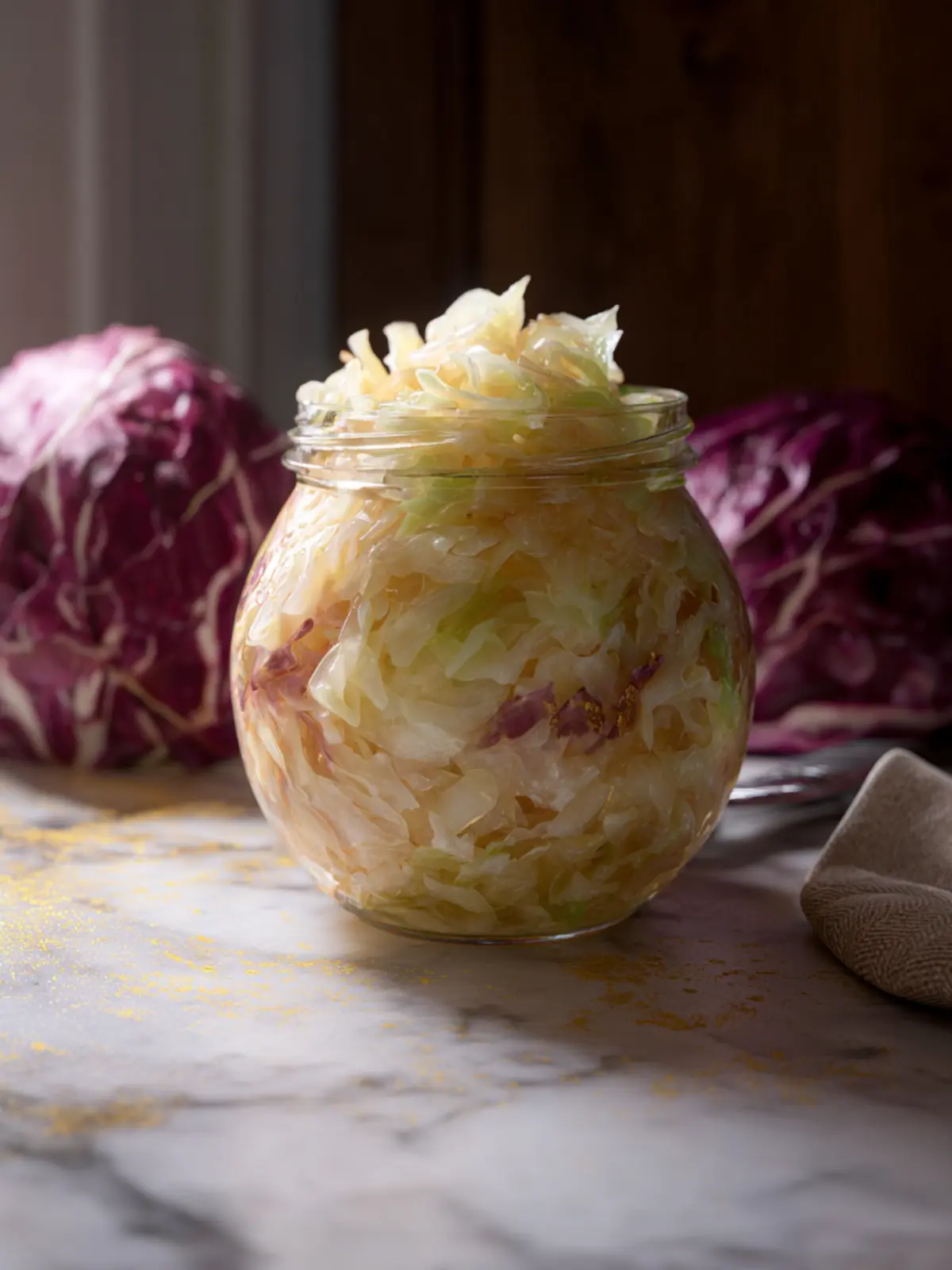
Key Ingredients for How To Make Traditional Sauerkraut
Fermented foods have a special place in many cultures, and traditional sauerkraut is an age-old recipe that brings with it a delightful tang and crunch. To embark on this culinary journey, you’ll need just a few simple ingredients, each playing a crucial role in crafting that perfect batch of sauerkraut.
-
Cabbage: The star ingredient! I prefer to use green cabbage because it has the perfect balance of crunch and sweetness. Using fresh, firm heads will yield the best flavor and texture for your sauerkraut.
-
Salt: This is essential for drawing out moisture from the cabbage and kickstarting the fermentation process. I recommend using non-iodized salt—think kosher or sea salt—for the purest flavor.
-
Caraway Seeds: While optional, these seeds introduce a warm, anise-like flavor that many find irresistible. Just a spoonful can elevate your sauerkraut to new heights.
-
Water: Depending on the moisture content of your cabbage, you may need a little water to help the salt dissolve and create that brine which is crucial for fermentation.
By combining these ingredients mindfully, you’re not just making sauerkraut; you’re creating a delicious, probiotic-rich food that has stood the test of time.
Why You’ll Love This Sauerkraut Recipe
When it comes to how to make traditional sauerkraut, this recipe stands out for its simplicity and rewarding flavors. Imagine transforming humble cabbage into a crunchy, tangy delight that can elevate any meal. This isn’t just a recipe; it’s a journey into one of the oldest methods of preserving food.
Exceptional Flavor and Texture
The beauty of this sauerkraut lies in its unique flavor profile—a perfect balance of tartness and subtle sweetness. As it ferments, the cabbage develops a lovely crunch, making it an excellent addition to sandwiches, salads, or even as a side dish that complements meats perfectly.
Health Benefits
Not only does homemade sauerkraut taste incredible, but it’s also packed with probiotics that are beneficial for gut health. This makes it a nutritious choice as well, turning a simple vegetable into a superfood.
Easy to Make
With just a few ingredients—cabbage and salt—you’ll discover that how to make traditional sauerkraut is remarkably easy. This recipe doesn’t require any special equipment or refrigeration, making it perfect for beginner fermenters and those looking to try their hand at this age-old practice.
Dive in and experience the delightful transformation of cabbage with this sauerkraut recipe. You’ll be amazed at the flavors you can create right in your own kitchen.
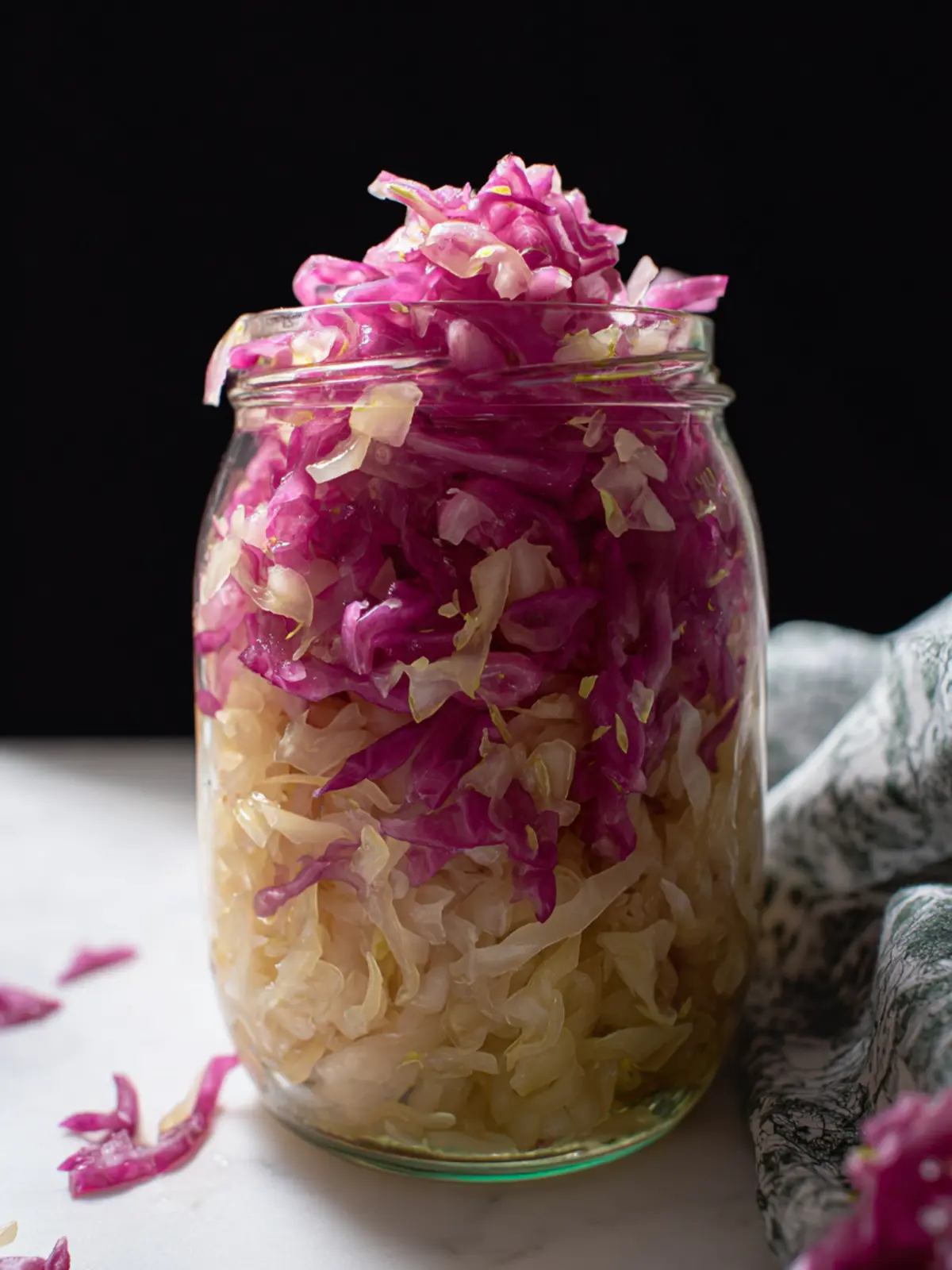
Variations of Sauerkraut You Can Try
Exploring how to make traditional sauerkraut opens up a bounty of flavor combinations that go beyond the classic recipe. As a seasoned sauerkraut enthusiast, I’ve come to love experimenting with different ingredients that not only enhance the taste but also bring out unique health benefits. Here are some flavorful variations you can easily incorporate:
Spicy Sauerkraut
Adding a kick to your kraut is simple! Mix in some crushed red pepper flakes or diced jalapeños during fermentation. This not only spices things up but also introduces interesting probiotics—perfect for those who enjoy a little heat in their meals.
Curry Sauerkraut
For a delightful twist, incorporate curry powder into your mixture. The warm flavors will transform your sauerkraut into a bold side dish that pairs wonderfully with roasted vegetables or grilled meats.
Apple and Carrot Blend
Combining shredded apples and carrots can add a hint of sweetness and fresh crunch. This variation is not only delicious but can also provide extra vitamins and fiber, making it an excellent choice for a health-conscious meal.
Beetroot Sauerkraut
Speaking of color and flavor, adding grated beetroot will not only give your kraut a stunning ruby hue but also an earthy sweetness. This vibrant option is perfect for anyone looking to make their dishes stand out.
Garlic and Dill Infusion
For those who love classic flavors, incorporating minced garlic and fresh dill will remind you of grandma’s kitchen. This tangy, aromatic blend is a crowd-pleaser and enhances the wonderful health benefits of fermented foods.
Each of these variations adds personality and a unique touch to your how to make traditional sauerkraut adventure. Enjoy exploring these options and discover what works best for your palate!
Cooking Tips and Notes for Making Sauerkraut
Making traditional sauerkraut is a journey that connects you with age-old culinary traditions. As you embark on this fermentation adventure, there are a few key insights to ensure your sauerkraut turns out deliciously crisp and tangy.
Choose Quality Cabbage
For the best results, select firm, fresh cabbage heads. They should feel heavy for their size, with tightly packed leaves. Organic cabbage is a great option, as it’s free from pesticides, enhancing the natural flavors.
Shred Uniformly
When you’re figuring out how to make traditional sauerkraut, even shreds are crucial. Using a sharp knife or a mandoline gives you consistent cabbage pieces, allowing for uniform fermentation. This will ensure every bite has the perfect crunch and tangy flavor.
Salt Matters
Using the right salt is essential. Aim for non-iodized salt like sea salt or kosher salt. Iodized salt can inhibit fermentation and alter the flavor, so it’s best avoided for this project.
Keep It Submerged
Make sure your cabbage is submerged in its own juices to prevent spoilage. You can place a weight on top or use a fermentation lid to maintain pressure. This not only promotes fermentation but also creates that signature taste.
Patience is Key
Fermentation takes time, so don’t rush the process. Typically, sauerkraut should ferment for at least two weeks at room temperature, but you can taste it along the way to find your perfect flavor profile.
Storage Tips
Once fermented, store sauerkraut in a cool, dark place in airtight containers to prolong its shelf life. The flavor will only deepen over time, making the journey all the more rewarding.
With these tips, you’ll master how to make traditional sauerkraut and enjoy a truly delicious homemade staple. Happy fermenting!
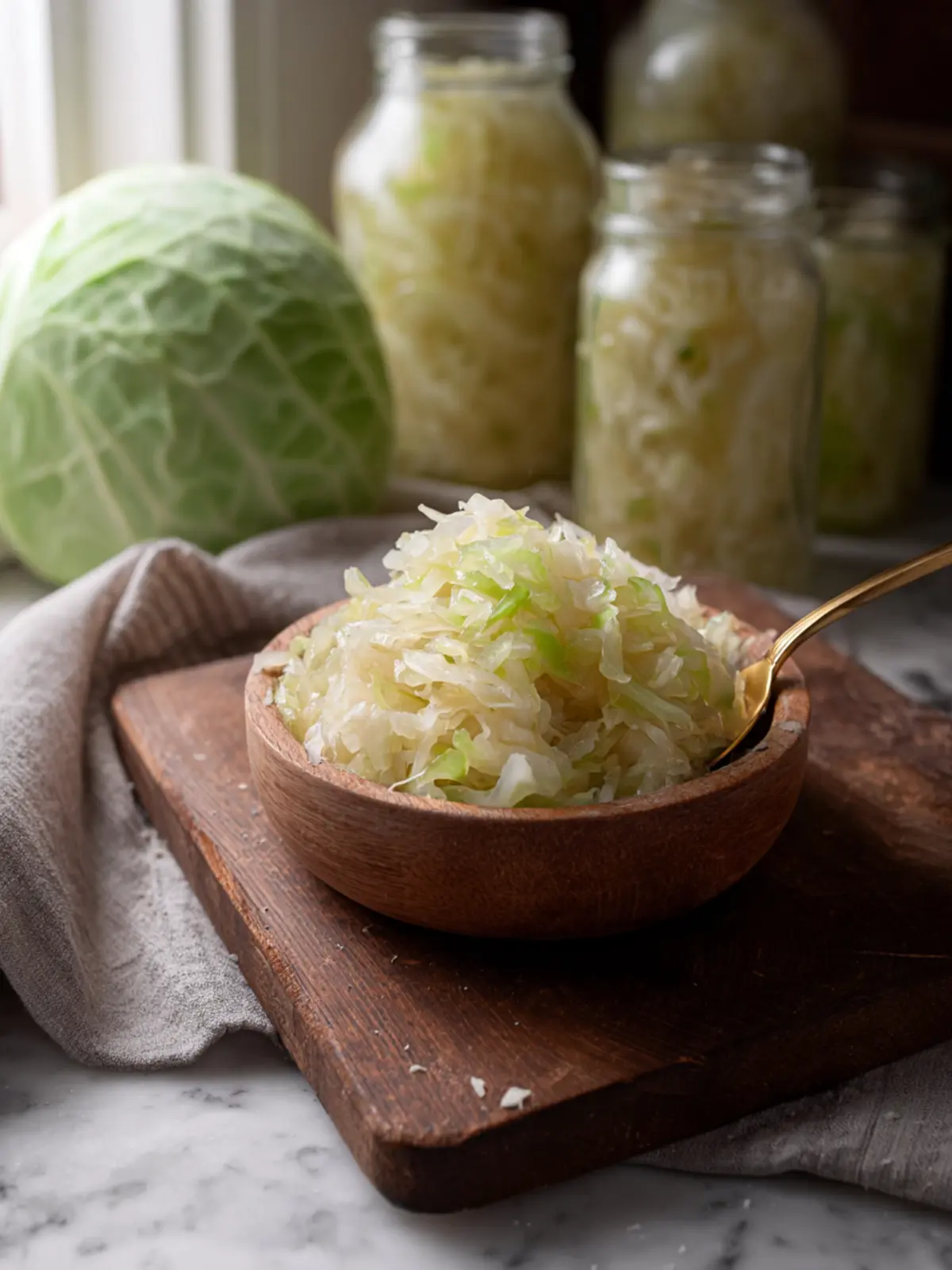
Serving Suggestions for Sauerkraut
When you discover how to make traditional sauerkraut, you’ll instantly unlock a fantastic world of flavors and meal possibilities. This tangy fermented dish doesn’t just stand alone; it complements various cuisines and adds a zesty twist to your everyday meals.
Perfect pairings with dishes
Consider these delightful combinations:
- Bratwurst or Sausages: A classic German pairing where the richness of the meat is beautifully balanced by the acidity of the sauerkraut.
- Tacos: Top your tacos with sauerkraut instead of cabbage for an unexpected crunch and tang.
- Reuben Sandwiches: The perfect companion to layers of corned beef and melted cheese—don’t skip the sauerkraut!
Unique ways to enjoy sauerkraut
Get creative! Here are some fun ways to incorporate sauerkraut:
- Salads: Mix sauerkraut into your leafy greens for added crunch and flavor.
- Soups: Stir some into a broth-based soup for extra depth and nourishment.
- Grains and Grain Bowls: Add sauerkraut on top of quinoa or rice bowls for a burst of acidity that will elevate the dish.
These suggestions will help you enjoy your traditional sauerkraut in refreshing and unexpected ways!
Time Breakdown for Making Sauerkraut
Making traditional sauerkraut is not only a rewarding culinary experience but also a delightful way to connect with the art of fermentation. Understanding the timeline for this fun project helps set clear expectations and makes the process smoother.
Preparation time
About 30 minutes is all you need for preparation. This includes washing, shredding your cabbage, and mixing in the salt to start drawing out the moisture.
Fermentation time
Once you’ve put in the initial work, the fermentation time will really take the spotlight. Allow the cabbage to ferment for about 1 to 4 weeks at room temperature, checking periodically for flavor development.
Total time
In total, you’re looking at a timeframe of 1 to 4 weeks, depending on your taste preference. Incorporating this traditional sauerkraut into your meals is a delicious way to enhance your home cooking!
Nutritional Facts for Sauerkraut
Calories per Serving
When considering how to make traditional sauerkraut, it’s helpful to know that a typical serving—about half a cup—contains approximately 20 calories. This makes it a fantastic low-calorie food choice that can add flavor and nutrition without packing on extra calories.
Health Benefits of Sauerkraut
Beyond just being low in calories, sauerkraut offers an array of health benefits:
- Probiotic Powerhouse: The fermentation process creates beneficial probiotics that can enhance gut health and digestion.
- Nutrient-Dense: Rich in vitamins C and K, sauerkraut supports immune function and bone health.
- Antioxidant-Rich: The cabbage used in sauerkraut is loaded with antioxidants that may help combat inflammation.
- Heart Health: With fiber and potassium, sauerkraut can contribute to a healthier heart by supporting balanced blood pressure.
Incorporating this vibrant side dish into your meal plan not only elevates your dishes but also packs a nutritional punch!
FAQs About How To Make Traditional Sauerkraut
The journey of how to make traditional sauerkraut is both a culinary adventure and a connection to generations past. As you dive into the fermentation process, you might find yourself with a few questions. Let’s address some common inquiries!
Can I use other types of cabbage?
While green cabbage is the classic choice for sauerkraut due to its crisp texture and high water content, you can experiment with other varieties! Red cabbage can add a lovely color and slightly sweeter taste, while savoy cabbage offers a more delicate and tender texture. Just remember that the flavor and crunch may vary, so it’s all about finding what suits your palate best!
What if my sauerkraut doesn’t ferment properly?
If you notice that your sauerkraut isn’t fermenting as expected, don’t panic! A few common culprits may be at play. Ensure you have enough salt, as it helps draw out moisture and create an anaerobic environment. Additionally, if the temperature is too cold, fermentation may slow down. Ideally, maintain a temperature of around 65-72°F. If mold appears, simply skim it off, and your sauerkraut should still be okay—just trust your senses and taste!
How long can sauerkraut last without refrigeration?
When properly fermented, traditional sauerkraut can last several months at room temperature, provided it’s stored in a cool, dark place. As a general rule of thumb, it can be kept for upwards of 4-6 months, but always check for signs of spoilage like off smells or major texture changes. Fermentation enhances the preservation, allowing you to enjoy this tangy treat much longer than simple raw cabbage!
Conclusion on How To Make Traditional Sauerkraut
By embracing the age-old art of fermentation, you gain not just a tangy condiment but also a healthful addition to your meals. Learning how to make traditional sauerkraut is surprisingly easy, requiring just a few simple ingredients. Remember, cabbage is the star of this process, bringing sweetness and crunch to your finished batch. The fermentation transforms the cabbage into a probiotic powerhouse that can enhance your gut health. Just follow the steps carefully, allowing time for natural fermentation, and soon you’ll enjoy the satisfaction of crafting your own delicious sauerkraut—perfect for sandwiches, salads, or as a zesty side.
Print
Homemade Sauerkraut
- Total Time: 2 weeks
- Yield: 4 quart jars 1x
- Diet: Vegetarian
Description
This homemade sauerkraut recipe is simple and delicious, perfect for preserving cabbage and enjoying its probiotic benefits.
Ingredients
Scale
- 1 Tbsp salt for every 800 grams of cabbage (about 2 Tbsp salt for every head of cabbage)
- Fresh Green Cabbage
Instructions
- Trim off the cabbage core and remove any outer leaves that have bruises or spotting. Reserve a few cabbage leaves for weighing down the sauerkraut later.
- Weigh the trimmed cabbage. For every 800 grams of cabbage, add 1 Tablespoon salt.
- Slice the cabbage into 1/4-1/2-inch thick pieces. Chop it by hand on the thicker side for crunchier sauerkraut, or use a Mandoline for finer texture.
- Transfer the chopped cabbage into an extra-large mixing bowl and sprinkle in the salt. Massage the salt into the cabbage with your hands for 13-15 minutes, until the liquid releases at the bottom of the bowl.
- Tightly pack the cabbage into quart-sized mason jars as tightly as possible to help the liquid come to the top. Pour any excess juices from the bowl over the packed cabbage.
- Fold over a reserved cabbage leaf and weigh down the cabbage with it.
- Shut the jars finger-tight with regular canning lids and bands. Place onto a Pyrex dish to catch any liquid that seeps out.
- Allow it to ferment for two weeks. After that, wipe the jars and transfer to a cool, dark place for longer storage.
- Homemade sauerkraut can keep well over 8 months.
Notes
- Adjust salt based on cabbage weight.
- For a crunchier texture, chop cabbage thicker.
- Keep jars in a dark area during fermentation.
- Prep Time: 20 minutes
- Category: Side Dish
- Method: Fermentation
- Cuisine: German
Nutrition
- Serving Size: 1/2 cup
- Calories: 20
- Sugar: 1g
- Sodium: 1200mg
- Fat: 0g
- Saturated Fat: 0g
- Unsaturated Fat: 0g
- Trans Fat: 0g
- Carbohydrates: 4g
- Fiber: 2g
- Protein: 1g
- Cholesterol: 0mg