
Follow Me On Social Media!
How to Poach an Egg: The Easy Way to Perfect Breakfast Bliss

Introduction to How To Poach An Egg
Imagine sitting down to a beautifully plated breakfast, where the centerpiece is an elegantly poached egg, its creamy yolk waiting to be broken open. Learning how to poach an egg isn’t just about mastering a kitchen skill; it’s about delighting in the simple pleasures of cooking and enjoying delicious, nutritious meals. There’s something so comforting about a perfectly poached egg resting atop avocado toast or a crisp salad, offering both flavor and elegance.
Poaching eggs might seem challenging, a culinary task reserved for seasoned chefs. However, with a sprinkle of patience and the right technique, anyone can achieve that soft, runny yolk that oozes bliss upon cutting. What makes poached eggs so delightful isn’t just their taste but also their versatility. Whether you’re preparing a quick breakfast, fancy brunch, or nutritious topping for a salad, they add a touch of sophistication and a boost of protein.
What Makes Poached Eggs So Delightful?
The allure of poached eggs extends beyond their visual appeal. They’re rich in nutrients, providing an excellent source of protein and essential vitamins without compromising on health. Unlike fried eggs, they’re lower in fat and can be enjoyed guilt-free.
Poached eggs are incredibly versatile and can complement a variety of dishes. Some popular choices include:
- Avocado Toast: A luscious, creamy base for a runny poached egg to elevate your morning routine.
- Salads: Adding a poached egg can transform an ordinary salad into a gourmet meal.
- Pasta Dishes: A poached egg served on top of pasta creates a delicious, velvety sauce.
Not only are poached eggs easy on the palate, but they also offer a beautiful, elegant presentation. This makes them perfect for special occasions or when you simply want to treat yourself. Plus, the satisfaction of mastering the delicate art of poaching eggs is a rewarding experience worth pursuing.
So gather your ingredients and join me as we dive into the step-by-step process of how to poach an egg with confidence and flair!

Key Ingredients for Poached Eggs
Poached eggs are a delightful breakfast staple that can bring a touch of elegance to your morning routine. The simplicity of this dish belies the quality of its ingredients, which can make or break your final product.
-
Fresh Eggs: The star of the show is unquestionably fresh eggs. They should be as fresh as possible to achieve that perfect runny yolk and tender whites. The fresher the egg, the better it holds together while poaching.
-
Vinegar: A splash of vinegar added to the poaching water helps the egg whites coagulate more quickly, keeping them from spreading in the pot. White vinegar works well, but you can also use apple cider vinegar for a hint of flavor.
-
Water: The base for cooking your eggs should be at a gentle simmer—just below boiling. Too much movement could jostle the eggs and disrupt their delicate structure.
-
Salt: A dash of salt in the poaching water enhances flavor and brings out the best in your eggs. Remember, you can always add more salt later, but it’s harder to remove!
These key ingredients set the stage for mastering how to poach an egg that’s not only delicious but also visually appealing. Enjoy a breakfast that is not only nutritious but captures the essence of gourmet dining!
Why You’ll Love This Poached Egg Recipe
Learning how to poach an egg can transform your breakfast game from ordinary to extraordinary. Imagine the satisfying rush when you crack open that silky egg on toast, letting the golden yolk ooze out like liquid sunshine. This recipe not only guides you through the simple process but also guarantees a perfect poached egg every time, elevating your morning meals.
Perfect Texture Awaits
Creating a poached egg with that velvety texture is more than just skill; it’s an art. This recipe emphasizes the importance of using fresh eggs, which yield beautiful, firm whites that cradle a tender yolk. The freshness makes a noticeable difference, allowing you to experience that delightful burst of flavor.
Quick and Easy
What’s better than enjoying an elegant breakfast dish that takes only minutes to prepare? Whether you’re on a tight schedule or just want to impress friends, this poached egg recipe is straightforward and forgiving, making it perfect for beginners and seasoned chefs alike.
Versatile and Delicious
The beauty of poached eggs lies in their versatility. Pair them with avocado toast, salad, or pasta for an added touch of richness that enhances any dish.
Before you know it, your mornings will never be the same, and you’ll wonder why you didn’t start poaching eggs sooner!

Variations on Poached Eggs
Poached eggs can be a delightful canvas for a variety of flavors and textures. Understanding how to poach an egg opens the door to countless possibilities, elevating your breakfast (or any meal) from ordinary to extraordinary.
-
Classic Eggs Benedict: Elevate your poached eggs by serving them on a toasted English muffin, topped with Canadian bacon and drizzled with rich hollandaise sauce. This iconic dish combines creamy and savory flavors for a brunch favorite.
-
Mediterranean Twist: For a fresh spin, lay poached eggs over sautéed spinach, tomatoes, and feta cheese. A sprinkle of olive oil and fresh herbs makes it a vibrant and healthy option!
-
Spicy Avocado Toast: Top your poached egg with smashed avocado, chili flakes, and a squeeze of lime on toasted sourdough. The creamy avocado and the rich yolk make for a luscious bite.
-
Soy Sauce Delight: For a savory Asian-inspired flavor, serve poached eggs over steamed rice with soy sauce, sesame oil, and scallions. It’s a comforting dish that’s perfect any time of day.
Each variation allows your creativity to shine while mastering the art of poached eggs. What’s your favorite way to dress them up?
Cooking Tips and Notes for Poached Eggs
Mastering how to poach an egg not only elevates your breakfast game but also adds a touch of elegance to many dishes. Here are some tips that will help you achieve the perfect poached egg every time.
Freshness Matters
The fresher the eggs, the better the results. Look for eggs that are as fresh as possible. Fresh eggs have tighter whites, which helps them hold their shape while poaching, reducing the mess in the pot.
Vinegar for Success
Adding a splash of vinegar to the water is a game-changer. Vinegar helps the egg whites to coagulate faster, resulting in a more compact shape. Don’t worry—the tangy taste disappears during cooking!
Gentle Heat is Key
Keep the water at a gentle simmer, not a rolling boil. A simmer encourages a more controlled poach, preventing the egg from breaking apart and ensuring a tender, buttery texture.
Swirling Technique
Creating a gentle whirlpool in the simmering water before adding the egg can help it to cook evenly. Just stir the water in a circular motion, then gently slide in the egg. This technique can make the white wrap around the yolk beautifully.
Timing is Everything
For a perfect poached egg, aim for about 3-4 minutes in the simmering water. Adjust the timing if you prefer a firmer yolk, and be sure to keep an eye on the clock!
With these tips in your pocket, you’ll be well on your way to mastering the art of poached eggs!
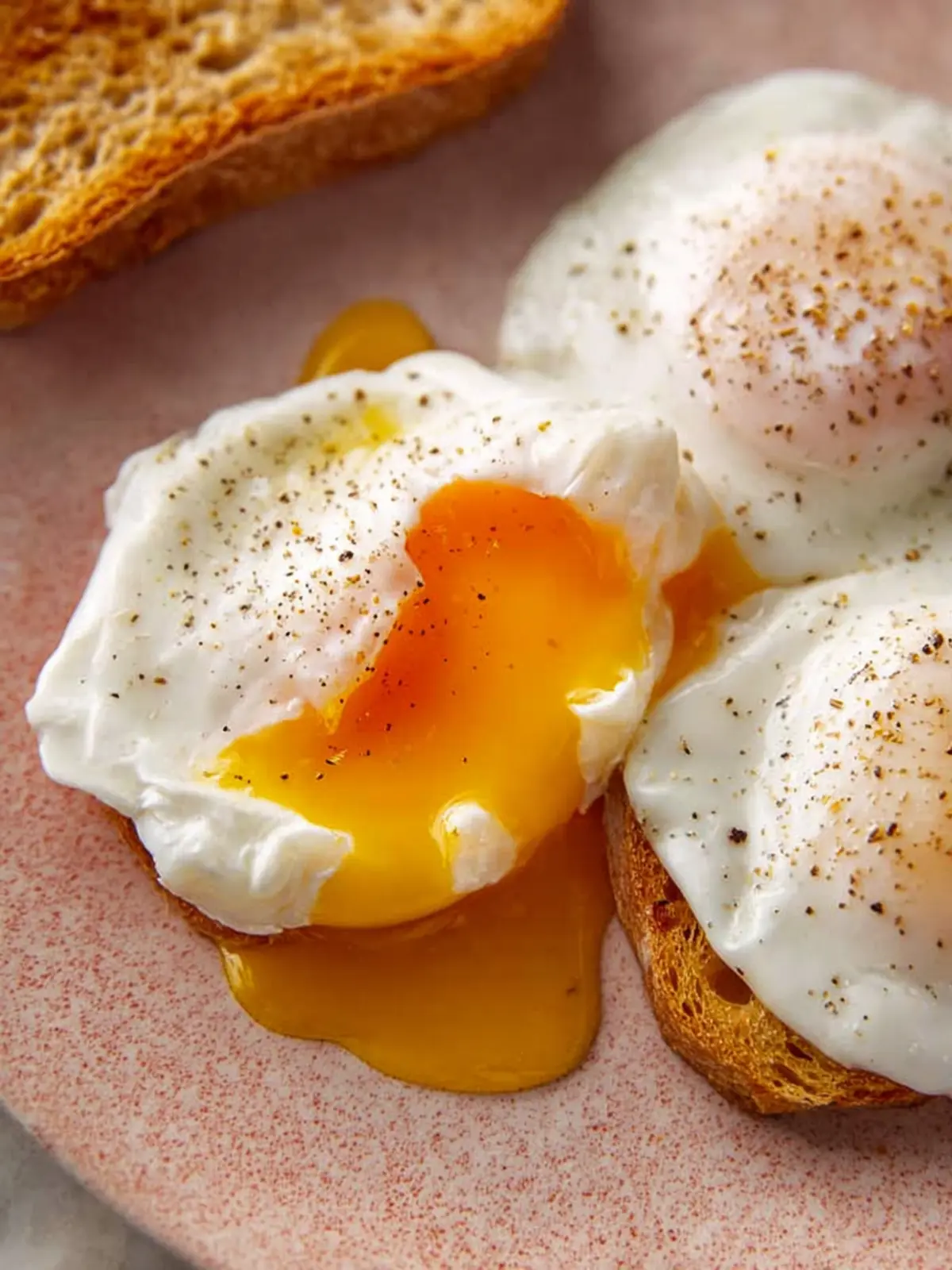
Serving Suggestions for Poached Eggs
Poached eggs are a culinary delight that can elevate a meal from ordinary to extraordinary. Imagine waking up on a Sunday morning, craving something comforting yet satisfying—poached eggs, with their creamy yolks, fit the bill perfectly. Here are some delightful ways to serve them:
On Toast
A classic way to enjoy poached eggs is on a slice of buttered whole-grain or sourdough toast. The crunchiness of the bread paired with the velvety yolk creates a delicious contrast. You can sprinkle a pinch of salt and cracked pepper on top to enhance the flavors.
Over Greens
For a lighter option, serve poached eggs over sautéed spinach or mixed greens tossed in a light vinaigrette. The warmth of the egg slightly wilts the greens, creating a lovely dish that’s both nutritious and filling.
As Part of a Breakfast Bowl
Consider adding them to a breakfast grain bowl. Quinoa, brown rice, or farro topped with poached eggs, avocado, and a sprinkle of feta cheese offers a hearty meal that keeps you satisfied until lunch.
With Hollandaise Sauce
Feeling fancy? Create a homemade Eggs Benedict. Serve your poached eggs on a toasted English muffin, layer with Canadian bacon or smoked salmon, and top with a rich hollandaise sauce for a truly indulgent experience.
These ideas aren’t just delicious; they also showcase how to poach an egg in various exciting ways. Happy cooking!
Time Breakdown for Poached Eggs
Getting the perfect poached egg is a culinary skill worth mastering, and understanding the time breakdown can make the process smoother and more enjoyable.
Preparation Time
Getting everything ready for your poached eggs won’t take long at all. Set aside about 5 minutes to gather your ingredients, fill a saucepan with water, and bring it to a gentle simmer.
Cooking Time
Once your water is simmering, the actual cooking time for poached eggs is approximately 3 to 4 minutes. This allows the whites to set while keeping the yolk deliciously runny, the hallmark of a well-poached egg.
Total Time
All in all, from preparation to serving, you’re looking at a total of about 10 minutes. In less than a quarter of an hour, you’ll have beautifully poached eggs ready to elevate any meal!
Nutritional Facts for Poached Eggs
Poached eggs are not only delicious but also pack a nutritious punch, making them a fantastic choice for breakfast or brunch. Here’s a closer look at what you’ll find in this protein-packed power food.
Calories
Each poached egg contains about 70 calories, making it a lightweight yet fulfilling option to kickstart your day without overloading on calories.
Protein
One poached egg offers around 6 grams of protein, contributing significantly to your daily intake. This high-quality protein aids in muscle repair and keeps you feeling full longer, especially when paired with whole-grain toast or avocado.
Fat
With around 5 grams of fat, poached eggs are a source of healthy fats—primarily unsaturated fat. This can support heart health and provide essential fatty acids, ensuring you have the energy needed to tackle your day.
Incorporating poached eggs into your meals not only enhances the flavor but also boosts the nutrients in your diet!
FAQs about Poaching Eggs
Poaching eggs is a culinary art that not only enriches your breakfast plate but also adds a touch of elegance to your meals. If you’ve ever been mesmerized by a perfectly poached egg, you’re not alone! Let’s dive into some common questions around how to poach an egg so you can master this delightful skill.
Can I poach more than one egg at a time?
Absolutely! Poaching multiple eggs is entirely possible, but it requires a bit of finesse. Use a wider pot to give each egg ample space and ensure they don’t clump together. Adding a splash of vinegar to the water can help each egg hold its shape during cooking. Just be sure to keep track of their cooking times, as some may be done sooner than others.
How do I know when my poached egg is done?
Perfectly poached eggs have a delicate, set white with a beautifully runny yolk. Generally, this takes about 3 to 4 minutes of simmering in water. To test for doneness, you can gently tap the egg with a spoon; if it jiggles slightly but retains its shape, it’s ready to be removed. A kitchen timer can also be super helpful here to keep your timing precise!
What can I serve with poached eggs?
The beauty of poached eggs is their versatility. Here are some delicious ideas:
- Avocado Toast: Layer your poached eggs on top of creamy avocado for a wholesome breakfast.
- Salads: Top a fresh salad with poached eggs for added protein and richness.
- Grains: Serve with quinoa, couscous, or brown rice for a filling meal.
- Benedict Style: Whip up a classic Eggs Benedict with ham and hollandaise sauce for a brunch treat.
Experiment with these pairings and watch your meals transform!
Conclusion on Poaching Eggs
Mastering how to poach an egg can elevate your breakfast game and impress your guests. With a bit of practice, you’ll find that perfectly delicate poached eggs aren’t just for fancy brunches—they can be a delicious addition to salads, pastas, or even on toast. When done right, poaching eggs is all about patience and the right technique. So, don’t hesitate to experiment with the methods mentioned here. Whether you whip them up as a light snack or a gourmet dish, remember that fresh eggs and a gentle touch are your best friends in achieving that silky yolk. Happy poaching!
Print
Poached Egg
- Total Time: 8 minutes
- Yield: 1 serving 1x
- Diet: High-Protein
Description
A simple method to perfectly poach an egg.
Ingredients
Scale
- 1 large egg (cold, or as many as you like!)
- 1 tablespoon distilled white vinegar
- Water (to fill a wide, large saucepan 2 inches deep)
Instructions
- Fill a wide, large saucepan with water 2 inches deep. Place over medium-high heat and bring it to a boil, then reduce the heat so it is barely simmering (about 180-190°F).
- When you’re ready to cook, prep the egg by cracking it into a small bowl or ramekin.
- Stir the white vinegar into the hot water.
- Using a spoon, stir the water in a circular motion to create a vortex.
- Carefully pour the egg into the center of the swirling water, and cook, undisturbed, for about 3 minutes.
- When the egg is properly poached, the egg whites should be opaque and firm, but it should give when gently pressed with the back of a spoon.
- Use a slotted spoon to carefully remove the egg, letting excess water drip back into the pan.
- Place on a paper towel-lined plate to absorb the extra water.
- Continue poaching more eggs, adding more water if needed to keep the depth around 2 inches.
- Serve hot as desired or simply sprinkled with salt and pepper.
Notes
- Adjust the quantity of eggs and water based on how many eggs you wish to poach.
- Ensure the water is at the right temperature to achieve the desired doneness.
- Prep Time: 5 minutes
- Cook Time: 3 minutes
- Category: Breakfast
- Method: Poaching
- Cuisine: American
Nutrition
- Serving Size: 1 egg
- Calories: 155
- Sugar: 0 g
- Sodium: 70 mg
- Fat: 11 g
- Saturated Fat: 3 g
- Unsaturated Fat: 7 g
- Trans Fat: 0 g
- Carbohydrates: 1 g
- Fiber: 0 g
- Protein: 13 g
- Cholesterol: 186 mg